Net Wrap The Role of Net Wrap in Improving Feed Quality Across Australia
In the diverse agricultural landscape of Australia, maintaining high-quality feed for livestock is a cornerstone of successful farming. Among the many innovations aiding farmers today, net wrap plays a critical role in preserving feed quality and ensuring efficient hay storage. From the temperate zones of Victoria to the dry interior of Queensland, the use of net wrap has become increasingly prevalent as Australian farmers seek to optimise feed value, reduce waste, and improve overall productivity.
What is Net Wrap and Why Does It Matter in Australia?
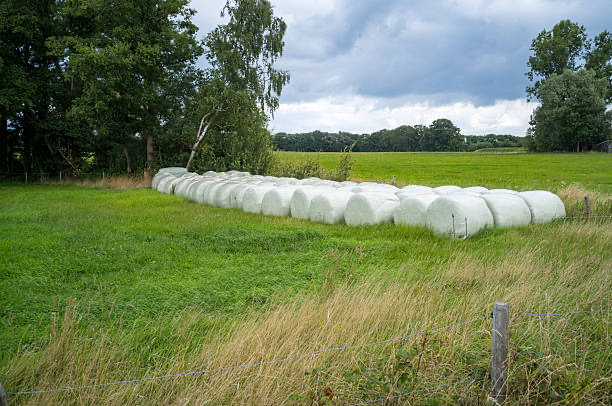
Net wrap is a synthetic material designed to secure round hay bales tightly, replacing traditional twine wrapping methods. Its primary function is to hold bales intact while offering protection from environmental elements such as rain, wind, and dust. Unlike twine, net wrap covers a larger surface area of the bale, which minimises moisture penetration and prevents bale deterioration.
Australia’s variable climate—with regions prone to intense sun, sporadic rainfall, and strong winds—creates unique challenges for hay preservation. In such conditions, net wrap is invaluable, ensuring hay retains its nutritional quality during storage and transport, which directly impacts livestock health and farm profitability.
Enhancing Feed Quality Through Superior Bale Protection
One of the key benefits of net wrap is its ability to maintain the structural integrity of hay bales. By tightly encasing the bale, net wrap reduces bale shedding and leaf loss. Since leaves contain the majority of the nutrients in hay, preserving them means higher feed quality. Australian farmers often deal with high-value pastures like lucerne and clover, where nutrient retention is crucial to livestock performance. Net wrap effectively helps maintain this quality from the field to the feedlot.
Furthermore, the protection net wrap provides against moisture infiltration, which is a game-changer in the prevention of mould and spoilage. Even minor moisture exposure can accelerate hay spoilage and mycotoxin development, which can be detrimental to animal health. In regions like New South Wales and South Australia, where sporadic rains can quickly dampen hay, using net wrap significantly extends the shelf life of stored bales.
Increasing Efficiency and Cost-Effectiveness on Australian Farms
While net wrap initially may seem like a more costly option compared to traditional twine, its overall value becomes evident through improved feed preservation and reduced wastage. Australian farmers report that bales wrapped with net wrap retain their shape better, allowing for easier handling, stacking, and transportation — crucial factors on large-scale operations, especially in expansive cattle or sheep farms found in Western Australia.
Moreover, the speed and ease of application with net wrap improve operational efficiency. Many modern balers are compatible with net wrap technology, enabling faster wrapping speeds and higher bale output. This efficiency reduces labour costs and helps farmers complete harvests within tight weather windows, which is often critical in Australia’s unpredictable climate.
Sustainability and Environmental Benefits
As sustainability becomes an increasingly important consideration, net wrap offers some environmental advantages. Since net wrap reduces bale damage and wastage, fewer resources are wasted on hay that would otherwise be discarded. Additionally, advances in biodegradable and recyclable net wrap options are beginning to emerge in Australia’s agricultural market, helping farmers minimise plastic waste while still protecting feed quality.
Farmers and suppliers alike are also focusing on responsible disposal and recycling programs for used net wrap, mitigating environmental impact. The role of net wrap in sustainable feed management reflects the broader commitment within Australian agriculture to environmentally sound farming practices.
Choosing the Right Net Wrap for Australian Conditions
Australia’s varied environments demand that farmers select net wrap tailored to their specific needs. For instance, in wetter coastal areas, UV-resistant net wrap that provides extended protection against sunlight degradation is essential. In drier inland regions, the focus may be more on strength and durability to withstand handling and transport over long distances.
Leading Australian manufacturers and distributors offer a range of net wrap products designed to meet these regional needs. By selecting the correct net wrap, farmers can maximise feed preservation benefits and extend the usability of their hay bales throughout the year.
Future Trends: Innovation in Net Wrap Technology
The future of net wrap in Australia looks promising, driven by ongoing innovation in materials science and farming practices. Emerging products are focusing on improved tensile strength, enhanced UV resistance, and reduced environmental footprint. Digital tracking technologies are also being explored to monitor bale condition during storage and transport, enabling farmers to manage feed quality more precisely.
These advancements, combined with the adaptability of net wrap to Australian farming conditions, position net wrap as a vital tool in the nation’s livestock feed supply chain for years to come.
Conclusion
In Australia’s challenging agricultural environment, net wrap plays an indispensable role in improving feed quality across the country. By providing superior bale protection, enhancing nutrient retention, boosting farm efficiency, and supporting sustainable practices, net wrap is more than just a wrapping material—it is a key contributor to the ongoing success and productivity of Australian livestock farmers. With continued innovation and smart application, net wrap will remain at the forefront of feed preservation strategies nationwide.




Comments are Disabled