Silage Plastic’ Reusable Tarps vs. Single-Use Stretch Film
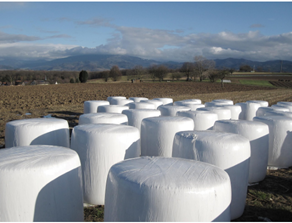
Heavy-gauge woven polyethylene tarps with replaceable oxygen-barrier underlays offer an alternative to applying new stretch film every year. For large Australian livestock stations, choosing silage plastic is not simply a matter of buying the lowest-priced roll. The real cost includes labour, replacement frequency, waste handling, storage, and the cover’s performance across multiple seasons. For broadacre operations producing large volumes of silage, comparing full-lifecycle costs can reveal where a reusable system may offer practical financial and environmental advantages.
Comparing the Two Silage Cover Systems
Traditional silage plastic is generally used for a single silage-making cycle. Stretch film is applied around bales or over specific silage systems and then removed and disposed of after use.
A reusable tarp system works differently. A heavy woven poly cover remains in service across multiple seasons, while the oxygen-barrier underlay can be replaced when its sealing performance or condition requires it.
For Australian stations, the choice depends on factors such as:
● Total silage volume produced each season
● Available labour for covering and uncovering
● Storage conditions between seasons
● Exposure to wind, sun and rough handling
● Local disposal and recycling arrangements
● Expected service life of the reusable tarp
Where Reusable Silage Pit Covers Australia ROI Comes From
The ROI calculation for the reusable silage pit covers Australia should extend beyond the purchase price. A reusable agricultural cover has a higher upfront cost, but you can spread that expense over several seasons if you handle and store the tarp properly.
The replaceable underlay also changes the economics. Instead of discarding the complete cover system each year, operators can retain the durable outer tarp while replacing the component that provides the oxygen barrier.
This can reduce the material purchased each silage season. However, actual savings depend on the cover’s service life, replacement underlay costs, labour and the farm’s operating conditions.
Consider the Total Cost of Ownership
When comparing systems, calculate:
● Initial cover and underlay purchase cost
● Expected number of seasons of tarp use
● Replacement underlay requirements
● Labour for installation and removal
● Cleaning and storage requirements
● Repairs and maintenance
● End-of-life disposal or recycling costs
This gives producers a more useful comparison than simply looking at the price per cover.
Carbon Footprint and Material Use
The environmental comparison also needs to consider how much new plastic is purchased over time. A single-use system requires new silage plastic for every application, creating a recurring material demand.
A reusable tarp can potentially reduce that recurring demand because the same outer cover remains in service. Only the oxygen-barrier layer may need replacement.
That does not automatically make a reusable system carbon-neutral or environmentally superior. Manufacturing, transport, cleaning, repairs, replacement components and eventual disposal all contribute to its footprint.
For Australian broadacre stations, the most meaningful comparison is therefore material use over the full operating period, rather than the footprint of one individual cover.
Choosing the Right System for a Broadacre Station
Reusable covers can make sense where silage production is substantial, and pits are used repeatedly. They are particularly worth evaluating when the operation has suitable facilities for careful removal, folding and storage.
Single-use silage plastic may remain practical where flexibility, simple handling or lower upfront expenditure is more important.
Before purchasing, ask suppliers about:
● Woven tarp weight and construction
● Expected service conditions
● Oxygen-barrier underlay specifications
● Repair options
● UV resistance
● Warranty coverage
● Recommended storage procedures
● Available recycling pathways
Conclusion
The financial case for reusable systems comes from spreading the cost of a durable outer tarp across multiple seasons while replacing only the necessary oxygen-barrier underlay. Single-use silage plastic offers straightforward seasonal application but creates recurring material and disposal requirements.
For large Australian livestock stations, compare both systems using whole-of-life costs, labour, material consumption, and storage requirements, not purchase price alone.
Speak with an agricultural plastics supplier about your annual silage volume, pit dimensions and expected operating period to calculate the most relevant reusable silage pit covers Australia ROI for your station.
—
FAQs
1. Are reusable silage tarps more expensive than single-use plastic?
They typically require a higher initial investment because the outer tarp is designed for repeated use. The comparison should include its expected service life and replacement underlay costs.
2. What is a reusable silage pit cover made from?
Reusable systems commonly use heavy-duty woven polyethylene or similar durable polymer materials, combined with an oxygen-barrier underlay.
3. Can the oxygen-barrier layer be replaced?
Yes, systems designed with replaceable underlays let you renew the barrier component without replacing the entire outer tarp.
4. Are reusable covers better for Australian conditions?
Their suitability depends on site conditions, including UV exposure, wind, handling practices and storage. A supplier should match the cover specification to the operating environment.
5. How should I calculate reusable silage pit covers Australia ROI?
Compare the initial tarp cost, replacement underlays, labour, repairs, storage and disposal against the recurring cost of purchasing and disposing of single-use silage plastic over the same number of seasons.

VW Service Adelaide’ A Complete Guide to Factory Scheduled Maintenance for Long-Term Performance
Volkswagen vehicles are engineered for reliability, efficiency, and driving comfort. However, maintaining that performance requires following the manufacturer’s recommended maintenance schedule. If you own a Volkswagen in South Australia, understanding the importance of factory-scheduled maintenance can help extend your vehicle’s lifespan, improve safety, and protect its resale value. Choosing a professional VW service Adelaide ensures your vehicle receives the care it needs, according to Volkswagen’s specifications.
Why Factory Scheduled Maintenance Matters
Factory-scheduled maintenance is a structured servicing program designed by Volkswagen engineers. Each service interval is based on the vehicle’s age, mileage, and expected wear on key components. Unlike reactive repairs, scheduled maintenance focuses on preventing issues before they become costly problems.
By following the recommended maintenance schedule, drivers can:
● Maintain optimal vehicle performance
● Improve fuel efficiency
● Reduce the risk of unexpected breakdowns
● Preserve manufacturer warranty requirements
● Enhance long-term reliability
● Increase resale value
Many Volkswagen owners in Adelaide find that routine servicing saves money over time by addressing minor issues before they escalate into major repairs.
What Is Included in Volkswagen Factory Scheduled Maintenance?
The exact maintenance requirements vary by model and year of your Volkswagen. However, most factory service schedules include inspections, replacements, and adjustments at specific intervals.
Common maintenance tasks include:
Engine Oil and Filter Changes
Regular oil changes are among the most important aspects of vehicle maintenance. Fresh engine oil lubricates moving components, reduces friction, and helps regulate engine temperature. During a professional VW service Adelaide, technicians will replace the oil and filter according to Volkswagen guidelines.
Brake System Inspection
Your vehicle’s braking system is critical for safety. Scheduled maintenance typically includes inspection of:
● Brake pads
● Brake discs
● Brake fluid
● Brake lines
● Calipers
Early detection of brake wear can help prevent expensive repairs and maintain safe stopping performance.
Tire Inspection and Rotation
Proper tyre maintenance improves handling, fuel economy, and tyre lifespan. Factory-scheduled maintenance often includes:
● Tire pressure checks
● Tread depth inspections
● Tire rotations
● Wheel alignment assessments
These services help ensure even tyre wear and optimal road grip.
Key Service Intervals for Volkswagen Vehicles
Volkswagen recommends maintenance at specific mileage or time intervals. While schedules vary between models, common service milestones include:
Every 15,000 Kilometres or 12 Months
This service generally includes:
● Oil and filter replacement
● Fluid level checks
● Brake inspection
● Tire assessment
● Vehicle safety inspection
Drivers seeking dependable VW service Adelaide solutions should ensure these routine services are performed on time.
Every 30,000 Kilometres
At this stage, additional inspections may include:
● Air filter replacement
● Cabin filter replacement
● Battery testing
● Suspension inspection
● Steering system evaluation
These checks help maintain comfort, safety, and overall vehicle performance.
Every 60,000 Kilometres and Beyond
Major services often include:
● Spark plug replacement
● Transmission servicing
● Fuel system inspection
● Cooling system checks
● Drive belt inspections
Completing these services according to factory recommendations helps avoid significant mechanical issues in the future.
Benefits of Choosing Volkswagen Specialists in Adelaide
While many workshops offer general servicing, Volkswagen specialists have a deeper understanding of the brand’s engineering and maintenance requirements.
Advantages include:
Access to Manufacturer Specifications
Volkswagen-trained technicians understand factory service procedures and specifications. This ensures maintenance is completed accurately and consistently.
Diagnostic Expertise
Modern Volkswagen vehicles feature advanced electronic systems. Specialist workshops use diagnostic equipment designed specifically for Volkswagen models, allowing technicians to identify issues quickly and accurately.
Genuine Parts and Approved Components
Using genuine or approved replacement parts helps maintain vehicle reliability and ensures compatibility with factory standards.
A reputable VW service Adelaide provider will recommend components that meet Volkswagen’s quality requirements for long-term durability.
Signs Your Volkswagen May Need Immediate Attention
Even when following a scheduled maintenance program, some warning signs should never be ignored.
Watch for:
● Dashboard warning lights
● Unusual engine noises
● Reduced fuel efficiency
● Vibrations while driving
● Difficulty starting
● Brake performance issues
● Fluid leaks
Addressing these concerns promptly can prevent more extensive and costly repairs.
Adelaide Driving Conditions and Maintenance Requirements
Driving conditions in Adelaide can influence vehicle maintenance needs. Factors such as city traffic, highway commuting, and seasonal temperature changes place varying demands on vehicle systems.
For example:
● Frequent stop-start driving can increase brake wear.
● Long-distance travel may accelerate tyre wear.
● Hot summer temperatures can place additional stress on cooling systems and batteries.
Scheduling regular VW service Adelaide appointments helps ensure your vehicle remains prepared for local driving conditions throughout the year.
How Scheduled Maintenance Protects Vehicle Value
A complete service history is one of the most important factors influencing a vehicle’s resale value. Prospective buyers often prefer vehicles with documented maintenance records because they indicate responsible ownership and reduced risk.
Benefits of maintaining a documented service history include:
● Higher resale value
● Improved buyer confidence
● Better trade-in opportunities
● Reduced likelihood of major mechanical issues
For Volkswagen owners planning to upgrade in the future, keeping up with factory-scheduled maintenance is a smart long-term investment.
Conclusion
Factory-scheduled maintenance plays a vital role in preserving the performance, safety, and reliability of your Volkswagen. From oil changes and brake inspections to major milestone services, every maintenance interval is designed to keep your vehicle operating at its best. By choosing a trusted VW service Adelaide specialist and adhering to Volkswagen’s recommended schedule, Adelaide drivers can enjoy greater peace of mind, lower operating costs, and dependable performance for years to come. Regular maintenance is not simply a routine task—it is an investment in the longevity and value of your Volkswagen.

Baling Twine’ High-Knot Strength for Big HD Bales in the Aussie Outback
When you are producing large hay or straw bales in the Australian Outback, your baling twine needs to do more than hold a bale together. It must withstand high tension during baling, rough handling and prolonged exposure to heat, dust and changing weather conditions.
Weather-resistant baling twine provides the durability needed to help maintain bale integrity from the paddock to storage and feeding. For producers working across Australia’s demanding agricultural regions, choosing the right twine can make a practical difference to handling efficiency, bale stability and feed protection.
Why Baling Twine Strength Matters for Big Bales
Large-density (HD) bales place considerable tension on the twine as they are formed and compressed. If the twine stretches excessively, breaks or fails at the knot, the bale can lose its shape and become harder to stack, transport or store.
This is where high-knot-strength twine becomes particularly important. A strong knot helps maintain the binding force created by the baler, reducing the risk of separation when bales are ejected, moved with machinery or stacked for storage.
Reliable baling twine should provide:
● Strong tensile performance for dense, heavy bales
● Consistent knot strength during high-tension baling
● Resistance to abrasion from handling equipment
● Good resistance to sunlight and outdoor exposure
● Reliable performance across changing field conditions
Weather-Resistant Baling Twine for Australian Conditions
Australia presents some challenging conditions for agricultural materials. From intense sunlight and dry heat in inland areas to sudden rain and seasonal humidity in other regions, baling materials can face considerable environmental stress.
Weather-resistant crop protection solution is designed to perform in outdoor conditions. UV resistance is especially valuable when bales are stored outside or remain in the paddock before collection. Twine that deteriorates quickly in sunlight can become brittle and less dependable over time.
For producers in areas such as Queensland, New South Wales, South Australia and Western Australia, selecting twine suited to local conditions is an important part of reliable bale management.
Matching Twine to the Baler and Bale
Not every baling operation has the same requirements. The correct twine depends on the baler, bale dimensions, crop material and operating conditions.
Before purchasing, check the baler manufacturer’s recommendations and confirm the twine suits the intended bale size and tying system. Using a product designed for the application helps support consistent knot formation and reduces avoidable interruptions during baling.
Benefits Beyond the Paddock
Strong twine is about more than getting through the baling process. Bale integrity matters throughout the entire handling chain.
A properly secured bale is easier to move with loaders, transport on trailers and stack efficiently. It also helps keep the material compact during storage, reducing the chance of loose sections developing when bales are handled repeatedly.
For operations producing substantial quantities of hay, choosing weather-resistant baling twine can also support more predictable day-to-day baling. Fewer broken ties and better knot performance can mean less time stopping to re-tie or adjust bales.
Choosing High Knot Strength Twine for the Outback
For Australian producers, durability should be a priority, not an afterthought. Look for twine with dependable knot performance, appropriate tensile strength, UV resistance and construction suited to demanding agricultural use.
The right weather-resistant baling twine should match your baler’s specifications and deliver dependable performance from baling through storage and transport.
Conclusion
Big HD bales demand dependable binding, especially when produced and handled under Australia’s tough agricultural conditions. High-knot-strength twine helps secure dense bales, while weather-resistant construction provides greater durability against sun and outdoor exposure.
Choose baling twine that matches your equipment, bale requirements and local climate. For reliable performance in demanding Australian conditions, invest in quality weather-resistant baling twine designed to keep your bales secure when it matters most.
Looking for dependable twine for large-format baling? Compare specifications carefully and choose a high-strength, weather-resistant option suited to your baler and Australian operating conditions.
—
Frequently Asked Questions
1. What is weather-resistant baling twine?
Weather-resistant baling twine is manufactured to withstand outdoor exposure, including sunlight and changing weather, while maintaining its strength and functionality.
2. Why is knot strength important in baling twine?
Knot strength helps the twine maintain a secure hold when dense bales are formed, ejected, transported and handled.
3. Is high knot strength twine suitable for HD bales?
It can be suitable for HD bales when its specifications match the baler, bale density and manufacturer’s recommended twine requirements.
4. Does UV exposure affect baling twine?
Yes. Prolonged sunlight can degrade some plastics and reduce their strength. UV-resistant construction can help improve outdoor durability.
5. How should Australian farmers choose baling twine?
Consider the baler’s specifications, bale size, crop type, required strength, knot performance and expected exposure to Australian weather conditions.

Arborist Adelaide Hills’ 7 Clear Signs It’s Time to Call a Professional
Trees are one of the defining features of the Adelaide Hills, adding beauty, shade, and value to residential and commercial properties alike. However, they also require proper care to remain safe and healthy throughout the year. If you’re unsure whether a tree needs routine maintenance or immediate attention, consulting an arborist Adelaide Hills can save you from expensive damage and potential safety hazards. Professional tree assessments help identify hidden issues before they become major problems, ensuring your landscape remains both attractive and secure.
Why Professional Tree Care Matters in the Adelaide Hills
The Adelaide Hills experiences a mix of warm summers, cool winters, and seasonal storms that can place significant stress on trees. Native gums, ornamental species, fruit trees, and mature shade trees all respond differently to changing weather conditions.
While regular watering and pruning can help maintain tree health, certain situations require expert knowledge. Certified arborists understand tree biology, structural integrity, disease management, and safe removal techniques that homeowners typically cannot perform themselves.
Knowing when to seek professional advice can protect your property while extending the lifespan of healthy trees.
1. Your Tree Has Dead or Hanging Branches
Dead branches are one of the most obvious warning signs that a tree needs attention. Large limbs may appear stable but can fall unexpectedly, especially during strong winds or heavy rain.
You should contact an arborist Adelaide Hills if you notice:
● Branches without leaves during the growing season
● Cracked or split limbs
● Large dead sections in the canopy
● Branches hanging over roofs, driveways, or footpaths
Professional pruning removes hazardous limbs while preserving the overall health and balance of the tree.
2. The Tree Is Leaning More Than Before
Not every leaning tree is dangerous, but a sudden increase in lean often indicates root failure or structural instability.
Warning signs include:
● Newly exposed roots
● Soil lifting on one side
● Cracks in the ground around the base
● Leaning after storms
An arborist can determine whether the tree can be stabilised or if removal is the safest option.
3. You Notice Signs of Disease or Decay
Tree diseases often develop gradually, making them difficult for property owners to identify until significant damage has occurred.
Common symptoms include:
● Mushrooms growing around the trunk
● Soft or hollow sections of wood
● Peeling or missing bark
● Unusual leaf discolouration
● Excessive leaf drop outside normal seasons
Early intervention can often prevent diseases from spreading to nearby trees and improve the chances of recovery.
4. Storm Damage Has Affected the Tree
Storms are common throughout South Australia, and even healthy trees can suffer hidden structural damage.
Following severe weather, inspect your trees for:
● Broken limbs
● Split trunks
● Twisted branches
● Cracked bark
● Trees leaning towards buildings
Rather than attempting dangerous clean-up yourself, hiring an arborist Adelaide Hills ensures damaged trees are assessed safely and professionally. Experts have specialised equipment to remove unstable branches without causing further property damage.
5. Branches Are Growing Too Close to Buildings or Powerlines
Trees naturally expand as they mature. Without regular pruning, branches may begin interfering with nearby structures.
Potential problems include:
● Roof damage
● Gutters blocked by leaves
● Branches rubbing against walls
● Reduced visibility for driveways
● Encroachment near powerlines
Professional pruning improves clearance while maintaining the tree’s natural shape and long-term health.
6. Construction Is Planned Near Existing Trees
Home renovations, driveway installations, fencing projects, and landscaping can unintentionally damage valuable trees.
Heavy machinery may compact soil, while excavation can sever important root systems.
Consulting an arborist before construction begins allows you to:
● Identify protected trees
● Establish root protection zones
● Minimise construction-related damage
● Maintain tree stability after the project
This proactive approach often saves mature trees that would otherwise decline months after construction finishes.
7. You’re Unsure Whether a Tree Should Be Removed
Many homeowners assume a problematic tree needs immediate removal, but that’s not always the case.
A professional tree assessment considers factors such as:
● Overall health
● Structural condition
● Species lifespan
● Risk to the surrounding property
● Potential treatment options
Sometimes, strategic pruning or disease management can restore a tree’s health, avoiding unnecessary removal costs.
Benefits of Hiring a Qualified Arborist
Professional arborists provide much more than tree-cutting services. Their expertise helps property owners make informed decisions that balance safety, aesthetics, and environmental responsibility.
Some key advantages include:
● Accurate tree health assessments
● Safe pruning techniques
● Expert disease diagnosis
● Proper removal methods
● Compliance with local regulations
● Advice on long-term tree maintenance
Working with experienced professionals also reduces the risks associated with climbing, chainsaw use, and heavy branch removal.
Preventive Maintenance Saves Time and Money
Waiting until a tree becomes hazardous often leads to more expensive solutions. Regular inspections help identify minor issues before they develop into emergencies.
Preventative care may include:
● Crown thinning
● Structural pruning
● Pest monitoring
● Soil improvement
● Mulching recommendations
● Seasonal health assessments
Scheduling routine inspections with an arborist Adelaide Hills can significantly reduce future maintenance costs while preserving mature trees that enhance your property’s value.
Final Thoughts
Trees contribute enormously to the natural beauty and lifestyle enjoyed throughout the Adelaide Hills, but they also require informed care to remain safe and healthy. Recognising warning signs such as dead branches, storm damage, disease, excessive leaning, or construction impacts allows property owners to act before problems become serious.
Whether you need a simple health assessment, expert pruning, or advice on tree preservation, working with a qualified arborist Adelaide Hills provides peace of mind and helps protect both your landscape and your investment for years to come.

Physio Payneham’ Why Clinical Reformer Pilates Outperforms Standard Gym Pilates for Rehab
Recovering from an injury is rarely as simple as returning to a regular exercise routine. While standard gym Pilates can improve strength, mobility and body awareness, clinical reformer Pilates offers a more targeted approach when rehabilitation is the goal. Working with a qualified physio can make the difference between simply exercising and following a program designed around your specific condition, movement limitations and recovery stage.
For people in Payneham and surrounding Adelaide suburbs, physio Pilates combines clinical assessment with controlled reformer exercises to help rebuild movement safely and progressively.
What Makes Clinical Reformer Pilates Different?
Standard gym Pilates is generally designed for general fitness. Classes may involve a set sequence of exercises intended to suit a broad range of participants.
Clinical reformer Pilates differs because exercises can be modified to an individual’s physical needs. A physio can assess your movement patterns, pain levels, strength and functional limitations before developing an appropriate program.
The reformer also provides adjustable resistance and support. This lets you make exercises easier during the early stages of rehabilitation or progressively more challenging as strength and control improve.
Why Physio Pilates Can Be Better for Rehabilitation
Musculoskeletal rehabilitation requires more than simply strengthening muscles. The right exercises need to address how your body moves and responds to load.
With physio Pilates, a program may focus on:
● Improving core and postural control
● Restoring joint mobility and movement confidence
● Developing balance and coordination
● Gradually rebuilding strength after injury
● Improving movement patterns that contribute to recurring problems
● Preparing the body for everyday activities, work or sport
A physio can also monitor your technique and adjust exercises when something causes discomfort or proves too demanding. This level of supervision can be particularly useful after surgery, during injury recovery or when returning to exercise after a long period of inactivity.
The Advantage of Individualised Progression
One of the biggest differences between clinical and standard Pilates is how you progress. In a general class, everyone may perform similar exercises at roughly the same level.
Clinical reformer Pilates allows your physio to adjust resistance, positioning, range of motion, and exercise complexity based on your progress. Someone recovering from knee pain, for example, may require a very different approach from someone managing persistent lower-back discomfort.
This individualisation helps create a more controlled rehabilitation pathway. Instead of pushing through exercises simply because they are part of a class, you can work within an appropriate level of challenge and gradually build capacity.
Is Clinical Reformer Pilates Suitable for Everyone?
Clinical reformer Pilates may help people with a range of musculoskeletal and movement-related concerns, but it isn’t automatically appropriate for every condition.
A physio assessment should come first if you have significant pain, recent surgery, an acute injury, or undiagnosed symptoms. Your clinician can determine whether reformer-based exercise is suitable and which movements to modify or avoid.
For Payneham residents, local physio services can also make it easier to keep consistent appointments and follow a structured rehabilitation plan.
Choosing the Right Approach in Payneham
If your priority is general fitness, a standard Pilates class may be a suitable option. If you are recovering from an injury or need exercise tailored to a specific physical limitation, clinical reformer Pilates provides a more individualised pathway.
The key is professional guidance. A qualified physio can combine clinical reasoning, movement assessment and exercise therapy to ensure your program develops alongside your recovery.
Conclusion
Clinical reformer Pilates offers more than a conventional workout. By combining the reformer’s versatility with physio-led assessment and progression, it provides a structured approach to rebuilding strength, mobility, control, and confidence.
If you are considering physio Pilates in Payneham, SA, speak with a qualified physiotherapist about whether clinical reformer Pilates suits your needs and recovery goals.
—
Frequently Asked Questions
1. What is clinical reformer Pilates?
Clinical reformer Pilates uses reformer-based exercises under professional guidance, with movements and resistance adapted to an individual’s rehabilitation needs.
2. How is clinical reformer Pilates different from gym Pilates?
Gym Pilates typically focuses on general fitness, while clinical reformer Pilates is tailored to specific movement limitations, injuries or rehabilitation goals.
3. Can physio Pilates help after an injury?
It may support recovery by progressively developing strength, mobility, coordination and movement control. Suitability depends on the injury, and a qualified clinician should assess it.
4. Do I need a physio assessment before reformer Pilates?
If you are exercising for rehabilitation, we recommend an assessment. It helps identify appropriate exercises and any movements that may need modification.
5. Is clinical reformer Pilates suitable for beginners?
Yes. Instructors can adjust exercises for different ability levels, including people returning to exercise after injury or inactivity.

Commercial Builder Melbourne’ Cost Guide, Permits, and How to Choose the Right Contractor in 2026
Finding the right commercial builder Melbourne businesses can rely on is one of the most important decisions when planning a new office, warehouse, retail space, or industrial facility. The construction landscape in Melbourne is highly regulated and competitive, with varying costs, approval requirements, and contractor capabilities depending on project size and complexity. Understanding how commercial builder Melbourne work in Victoria helps business owners avoid delays, budget blowouts, and compliance issues.
This guide breaks down what you need to know about hiring a commercial builder Melbourne clients can trust, including pricing factors, building permits, project timelines, and selection criteria tailored to the Melbourne construction market.
Understanding the Role of a Commercial Builder in Melbourne
A commercial builder Melbourne companies engage is responsible for delivering non-residential construction projects such as office buildings, warehouses, medical clinics, hospitality venues, and retail developments. Unlike residential builders, commercial builders must navigate stricter compliance requirements, zoning restrictions, engineering standards, and workplace safety regulations.
In Melbourne, commercial builders also work closely with local councils, including planning departments and building surveyors, to ensure all developments align with the Building Code of Australia and Victorian legislation.
A reliable builder typically manages:
● Design coordination with architects and engineers
● Construction scheduling and subcontractor management
● Permit acquisition and regulatory compliance
● Cost control and procurement
● On-site safety and quality assurance
Key Cost Factors for Commercial Construction in Melbourne
When working with a commercial builder Melbourne pricing can vary significantly depending on several variables. Understanding these helps you set realistic budgets before committing to construction.
1. Project Type and Complexity
A simple warehouse fit-out will cost significantly less than a multi-storey office building or healthcare facility. Complex designs require more engineering, materials, and compliance documentation.
2. Location and Site Conditions
Inner-city projects in Melbourne often cost more due to limited access, traffic management requirements, and tighter building constraints than in the outer suburbs.
3. Materials and Finishes
High-end finishes, sustainable materials, and energy-efficient systems increase upfront costs but can reduce long-term operating expenses.
4. Labour and Supply Chain Costs
Victoria’s construction sector experiences fluctuations in labour availability and material pricing, which directly impact final build costs.
A typical commercial project in Melbourne can vary widely depending on the scope, making it essential to obtain detailed quotes from multiple builders.
Permits and Regulatory Requirements in Victoria
One of the most critical responsibilities of a commercial builder Melbourne clients hire is managing permits and approvals. In Victoria, commercial construction must comply with strict planning and building regulations.
Before construction begins, you typically need:
● Planning approval from the local council
● A building permit issued by a registered building surveyor
● Compliance with fire safety and accessibility standards
● Environmental and sustainability assessments (depending on project type)
The Victorian Building Authority (VBA) oversees registration and compliance for builders, ensuring that licensed professionals meet required standards. Working with an experienced builder reduces the risk of approval delays and compliance breaches.
Typical Construction Timelines
Timelines vary depending on project scale, but a commercial builder Melbourne businesses hire will usually structure projects into clear phases:
1. Planning and Design (4–12 weeks)
Includes concept design, engineering, budgeting, and permit applications.
2. Approvals Phase (4–16 weeks)
Local council approvals and building permits are secured during this stage.
3. Construction Phase (3–18+ months)
Actual building work, inspections, and staged completions occur.
4. Handover and Fit-Out (2–8 weeks)
Final inspections, compliance sign-off, and occupancy readiness.
Delays can occur due to weather, material shortages, or revisions to approvals, so contingency planning is essential.
How to Choose the Right Commercial Builder in Melbourne
Selecting the right commercial builder Melbourne property owners trust requires more than comparing quotes. The lowest price often does not guarantee the best outcome.
1. Check Licensing and Registration
Ensure the builder is registered with the Victorian Building Authority and holds appropriate commercial licenses.
2. Review Past Projects
Ask for case studies or site visits to evaluate similar completed projects.
3. Assess Communication and Transparency
A good builder provides clear timelines, cost breakdowns, and regular progress updates.
4. Evaluate Financial Stability
Large commercial projects require strong financial management to avoid delays or subcontractor issues.
5. Confirm Insurance Coverage
Builders should carry public liability, construction insurance, and workers’ compensation coverage.
Common Mistakes to Avoid
Many businesses underestimate the complexity of hiring a commercial builder Melbourne projects require, leading to avoidable issues such as:
● Incomplete planning before budgeting
● Choosing based on price alone
● Ignoring compliance requirements
● Not reviewing contract details carefully
● Failing to plan for contingencies
Avoiding these mistakes significantly improves project success rates and reduces long-term costs.
Final Thoughts
Working with the right commercial builder Melbourne businesses depend on can make the difference between a smooth, profitable development and a costly, delayed project. From understanding regulatory requirements in Melbourne to evaluating costs, timelines, and contractor capabilities, informed decision-making is essential.
By prioritising experience, compliance expertise, and transparent communication, businesses can ensure their commercial construction projects are delivered efficiently, safely, and to a high standard.
Banquette Seating Fabric Guide’ Choosing Durable Materials and Easy Maintenance in Adelaide
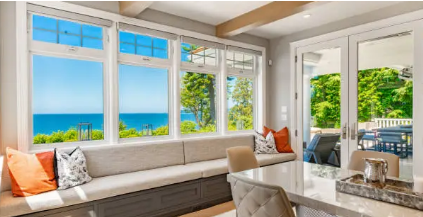
Banquette seating has become a popular choice for Adelaide homeowners, café owners, and restaurant operators who want to combine style, comfort, and efficient use of space. Whether you’re designing a modern kitchen nook, upgrading a commercial dining area, or renovating a hospitality venue, selecting the right upholstery fabric is just as important as the seating design itself. The right material not only enhances aesthetics but also improves durability and simplifies ongoing maintenance. This guide explores how to choose the ideal fabric for banquette seating in Adelaide, ensuring it looks its best for years to come.
Why Fabric Selection Matters for Banquette Seating
A well-designed banquette creates a welcoming atmosphere, but its fabric determines how well it performs under daily use. Adelaide’s climate, busy family lifestyles, and commercial hospitality environments all place different demands on upholstered furniture.
Choosing the wrong fabric may lead to premature fading, staining, or excessive wear. On the other hand, selecting a durable, easy-to-maintain upholstery ensures your investment remains attractive and functional over the long term.
Before making a decision, consider factors such as:
● Frequency of use
● Exposure to sunlight
● Presence of children or pets
● Risk of food and beverage spills
● Desired interior design style
Balancing practicality with appearance helps create seating that performs as well as it looks.
Popular Upholstery Fabrics for Adelaide Homes and Businesses
Different fabrics offer unique benefits depending on where the seating will be installed.
Commercial-Grade Vinyl
Vinyl remains one of the most practical choices for cafés, restaurants, and hospitality venues.
Benefits include:
● Water resistance
● Excellent stain protection
● Easy daily cleaning
● High durability
● Long service life
Modern vinyl options are available in textures that closely resemble genuine leather, offering both elegance and practicality.
Polyester Blends
Polyester blends have become increasingly popular because they combine softness with durability.
Advantages include:
● Fade resistance
● Affordable pricing
● Wide colour selection
● Wrinkle resistance
● Easy maintenance
These fabrics work well in family dining rooms and casual commercial spaces.
Performance Fabrics
Performance upholstery fabrics are engineered to resist everyday wear.
Their features often include:
● Spill resistance
● Moisture protection
● Enhanced stain resistance
● Superior abrasion performance
● Long-lasting colour retention
They are an excellent investment for high-traffic seating areas.
Genuine Leather
Leather provides a premium appearance while offering impressive durability.
Benefits include:
● Timeless aesthetic
● Easy wipe-clean surface
● Natural ageing character
● Strong resistance to wear
Although it requires occasional conditioning, leather remains a favourite for luxury residential and commercial interiors.
Choosing Colours That Stay Attractive Longer
Colour selection plays a major role in maintenance.
Neutral shades such as charcoal, beige, grey, and earthy tones remain popular throughout Adelaide because they complement a wide variety of interior styles while disguising minor marks and everyday dust.
Darker colours generally hide stains more effectively, while patterned fabrics can reduce the visibility of everyday wear in busy commercial settings.
When placing seating near large windows, UV-resistant fabrics help minimise fading caused by South Australia’s abundant sunshine.
Easy Maintenance Tips for Long-Lasting Banquette Seating
Proper care significantly extends upholstery life.
Develop a simple maintenance routine that includes:
Vacuum Regularly
Dust and food particles gradually wear down fabric fibres.
Weekly vacuuming with an upholstery attachment removes debris before it becomes embedded.
Clean Spills Immediately
Accidents happen in every dining area.
Blot liquid spills using a clean cloth rather than rubbing them deeper into the fabric. Follow the manufacturer’s recommended cleaning instructions whenever possible.
Rotate Cushions
If your banquette seating includes removable cushions, rotating them periodically promotes even wear and maintains their shape.
Use Appropriate Cleaning Products
Avoid harsh chemicals that may damage upholstery coatings or discolour delicate fabrics.
Instead, use cleaning solutions specifically designed for your chosen upholstery material.
Schedule Professional Cleaning
Commercial venues and busy households benefit from professional upholstery cleaning every 12 to 24 months.
Professional cleaning removes deep-set dirt while refreshing the fabric’s appearance.
Matching Fabric to Adelaide’s Lifestyle
Adelaide residents often enjoy indoor-outdoor living, entertaining guests, and family meals.
These lifestyle habits influence upholstery choices.
For households with young children, stain-resistant performance fabrics offer peace of mind without sacrificing style.
Pet owners should look for tightly woven fabrics that resist snagging from claws while making pet hair easier to remove.
Restaurants, wine bars, and cafés benefit from commercial-grade upholstery that withstands frequent customer turnover while maintaining a polished appearance.
Selecting materials suited to your daily routine reduces maintenance and extends the lifespan of your furniture.
Signs It’s Time to Replace Upholstery
Even commercial seating solution eventually shows signs of ageing.
Common indicators include:
● Persistent stains
● Torn or frayed fabric
● Flattened cushioning
● Fading from UV exposure
● Loose upholstery seams
Rather than replacing the entire seating structure, reupholstering often restores the furniture at a lower cost while allowing you to update colours and textures.
Many Adelaide furniture specialists offer custom reupholstery services tailored to residential and commercial interiors.
Investing in Quality Pays Off
While premium upholstery materials often involve a higher upfront investment, they typically deliver better long-term value.
Higher-quality fabrics generally offer:
● Longer lifespan
● Reduced maintenance costs
● Better stain resistance
● Improved comfort
● Enhanced visual appeal
When combined with professional craftsmanship, quality materials create seating that remains both functional and stylish for many years.
Final Thoughts
Choosing the right fabric is one of the most important decisions when designing banquette seating for your Adelaide home or business. By selecting upholstery that matches your lifestyle, prioritising durability, and maintaining it consistently, you can preserve both comfort and appearance long after installation.
Whether you prefer luxurious leather, durable vinyl, or modern performance fabrics, investing in quality materials ensures your banquette becomes a lasting feature that enhances your interior while standing up to everyday use. With thoughtful fabric selection and proper care, your seating will continue to deliver style, comfort, and value for years to come.

Cosmetic Dentist Adelaide’ Instant Smile Upgrades Before Spring & Summer Events
Spring and summer bring weddings, parties, graduations, race days and plenty of opportunities to be photographed. If you want to feel more confident about your smile without committing to a lengthy treatment plan, a cosmetic dentist in Adelaide can discuss express composite bonding as a practical option. This minimally invasive treatment can improve the appearance of selected teeth by reshaping or concealing minor imperfections. For Adelaide residents preparing for a busy social season, composite bonding may provide an efficient way to refresh your smile before an important event.
What Is Express Composite Bonding?
Composite bonding uses a tooth-coloured resin material that the dentist carefully applies to the tooth’s surface and shapes to improve its appearance. The dentist then hardens and polishes the material, creating a natural-looking result.
Depending on your needs, bonding may help address:
● Small chips or worn edges
● Minor gaps between teeth
● Uneven tooth shapes
● Slightly irregular contours
● Some areas of discolouration
A consultation with a cosmetic dentist in Adelaide matters because bonding isn’t suitable for every cosmetic concern. Your dentist can assess your teeth, gums, bite and overall oral health before recommending treatment.
Why Composite Bonding Can Suit a Busy Adelaide Schedule
One of the main attractions of composite bonding Adelaide patients may consider is its relatively streamlined treatment process. Unlike some cosmetic dental procedures that require multiple appointments and laboratory-made restorations, composite bonding can often be completed directly by the dentist during a treatment appointment.
For someone preparing for an upcoming Adelaide event, this can make bonding appealing when time is limited. However, treatment time varies with the number of teeth involved and the complexity of the required changes.
A Same Day Smile Upgrade
A same-day smile upgrade can be particularly attractive before spring and summer occasions. If only a few teeth need minor cosmetic improvements, composite bonding may allow you to make noticeable changes without a prolonged treatment schedule.
It is worth planning, even for an express treatment. Your dentist may recommend addressing existing dental issues first, and discussing your desired tooth shape, colour and overall smile balance during your consultation.
Composite Bonding vs. Other Cosmetic Options
Composite bonding is not automatically the best choice for every patient. Porcelain veneers, professional teeth whitening or orthodontic treatment may be more appropriate depending on your goals and the condition of your teeth.
A cosmetic dentist in Adelaide can help you compare options based on factors such as:
● The extent of the cosmetic concern
● Your existing tooth structure
● Your bite and oral health
● Desired longevity and maintenance
● Your event timeline and expectations
Bonding can also require maintenance over time. Composite resin may stain or chip, particularly when exposed to strong colouring foods and drinks or excessive biting forces.
Preparing Your Smile for Adelaide’s Event Season
If you have a wedding, work function or major celebration approaching, schedule a cosmetic consultation early rather than waiting until the last minute. This gives your dentist time to identify any underlying dental concerns and recommend an appropriate treatment sequence.
Good oral hygiene, regular dental examinations and sensible habits can also help maintain your results. Your dentist may provide personalised advice about brushing, flossing and protecting bonded teeth.
Refresh Your Smile Before Your Next Big Event
An express cosmetic treatment can be a useful option when you want subtle improvements without an extensive procedure. With the right case selection and professional planning, composite bonding Adelaide patients choose can provide a convenient way to enhance chipped, uneven or slightly irregular teeth.
If you are considering a same-day smile upgrade, book a consultation with a qualified cosmetic dentist in Adelaide well before your next spring or summer event. A personalised assessment can help you determine whether composite bonding is the right fit for your smile, timeframe and cosmetic goals.
—
Frequently Asked Questions
1. What is composite bonding?
Composite bonding uses tooth-coloured resin applied directly to a tooth to improve its shape, appearance or minor cosmetic imperfections.
2. Can composite bonding be completed in one appointment?
In suitable cases, composite bonding can often be completed during a single appointment. Treatment time depends on the number and complexity of teeth being treated.
3. Is composite bonding suitable before a wedding?
It may suit minor cosmetic concerns before a wedding. Arrange a dental consultation early enough to assess your teeth and discuss realistic results.
4. How long does composite bonding last?
Longevity varies depending on factors such as oral hygiene, biting forces, diet, and the location of the bonding. Your dentist can explain expected maintenance for your specific case.
5. Is composite bonding better than veneers?
Neither option is universally better. Composite bonding and veneers have different characteristics, and your dentist can recommend an option based on your teeth, goals, budget and desired outcome.

Display Homes Adelaide’ The Ultimate Guide to Single-Story Display Homes in Adelaide for Modern Living
If you’re researching new home designs or planning to build in South Australia, exploring Single-story display homes is one of the most effective ways to understand layout options, design quality, and liveability before committing to a builder. In Adelaide’s competitive housing market, display villages offer a real-world preview of how modern homes function, from spatial flow to façade styling and energy efficiency. This guide breaks down what to look for, why they are popular, and where to find the best examples across the city.
Why Single-Story Homes Are in High Demand in Adelaide
Single-level living continues to grow in popularity across Adelaide due to its practicality, accessibility, and long-term flexibility. Many buyers are moving away from multi-storey designs in favour of homes that offer seamless movement between living zones, outdoor areas, and bedrooms—all on one level.
One of the biggest advantages is the convenience of the lifestyle. Families with young children appreciate the ease of supervising spaces, while older homeowners value the reduced need for stairs. Additionally, modern architectural planning has significantly improved how space is used, meaning single-storey homes no longer feel compact or limited.
In suburbs across Adelaide—from northern growth corridors to coastal developments—builders are increasingly showcasing efficient floorplans that prioritise open-plan living, natural light, and integrated outdoor entertaining areas. This makes display villages an essential stop for anyone wanting to compare layouts and finishes in a real environment before making decisions.
Design Trends in Modern Display Homes Across Adelaide
When visiting display villages, you’ll notice a strong emphasis on functional luxury. Open-plan kitchen, living, and dining spaces dominate new builds, often paired with hidden storage solutions and butler’s pantries that enhance practicality without sacrificing style.
Indoor-outdoor integration is another defining feature. Large glass sliding doors connect interior living zones to alfresco areas, creating a continuous entertainment space suited to Adelaide’s climate. This design approach is particularly prominent in newer estates where lifestyle-focused planning is a priority.
Inside many Single-story display homes, you’ll also see consistent use of natural tones, minimalist interiors, and layered lighting designs. These elements work together to create a sense of openness while maintaining warmth and comfort throughout the home.
Builders also use display homes to showcase the potential for upgrades. From premium stone benchtops to designer fixtures, visitors can clearly see how optional inclusions can elevate a standard build into a high-end living space.
Best Areas in Adelaide to Explore Display Homes
Adelaide offers a wide range of display villages across key residential growth zones, making it easy for buyers to compare multiple builders in one trip.
Northern suburbs such as Munno Para, Blakeview, and Angle Vale are known for large master-planned communities featuring diverse family-friendly layouts. These areas are ideal for comparing value-driven designs and practical floor plans.
In the southern region, Seaford and Aldinga offer coastal-inspired homes that emphasise relaxed living, natural light, and energy efficiency. These locations are particularly popular among buyers seeking a beachside lifestyle.
The eastern suburbs tend to feature more premium builds with architectural detailing and higher-end inclusions. Touring these villages provides insight into luxury design trends and customisation options.
Across all regions, Single-story display homes serve as the most effective way to evaluate real-life proportions, flow, and design execution before committing to a build contract.
What to Focus On During a Display Home Visit
When touring display homes, it’s easy to focus on styling, but the real value lies in assessing layout functionality. Pay attention to how the kitchen connects to living areas, whether bedrooms are strategically positioned for privacy, and how storage is integrated throughout the design.
Ceiling height, natural lighting, and circulation space are equally important. A well-designed home should feel open without wasted space, and movement between rooms should feel intuitive rather than forced.
It’s also important to distinguish between standard inclusions and display upgrades. Many features showcased in Single-story display homes—such as premium flooring, feature lighting, or high-end appliances—may not be part of the base package.
Finally, consider long-term adaptability. A strong design should support changing lifestyle needs, whether that involves working from home, expanding family needs, or future resale appeal.
Final Thoughts
Display villages remain one of the most reliable tools for homebuyers in Adelaide to understand design, quality, and value before building. They provide a tangible experience that floor plans alone cannot replicate.
With continued innovation in layout efficiency, energy performance, and interior design, single-level homes are becoming increasingly sophisticated and adaptable. Taking the time to explore different builders and styles will ensure you make a well-informed decision that suits both your lifestyle and long-term goals.

House Builder Adelaide’ Why a Modern House Builder Is the Smart Choice for Stylish Homes in Adelaide, SA
Building a new home is one of the biggest investments you will ever make, which is why choosing the right modern house builder matters from the very beginning. In Adelaide, homeowners are increasingly looking for contemporary designs, energy efficiency, and functional layouts that suit modern lifestyles. Whether you are building in the suburbs, near the coast, or in a growing estate, selecting a builder with expertise in modern homes can make the process smoother and more rewarding.
Why Modern Homes Are Popular in Adelaide
Adelaide has become a prime location for stylish new homes thanks to its balance of city convenience and relaxed lifestyle. From Glenelg to Mount Barker and the northern growth corridors, many families and professionals want homes that reflect current design trends while remaining practical for long-term living.
A modern home often includes open-plan living spaces, large windows for natural light, smart storage solutions, and seamless indoor-outdoor entertaining areas. These features are especially suited to Adelaide’s climate, where outdoor living is part of everyday life. Working with a modern house builder ensures these elements are integrated into the design from the start.
Key Benefits of Hiring a Specialist House Builder in Adelaide
Not all builders specialise in contemporary homes. A builder with modern design experience understands how to combine aesthetics, comfort, and efficiency into one package.
1. Customised Contemporary Designs
Modern homes are not one-size-fits-all. Some homeowners prefer minimalist facades, while others want bold architectural features or sustainable materials. A quality House Builder Adelaide service will tailor plans to suit your block size, budget, and personal style.
2. Energy Efficiency
South Australian homeowners are becoming more conscious of power bills and sustainability. Modern homes often include insulation upgrades, solar-ready designs, LED lighting, and strategically placed windows for passive heating and cooling. Choosing a modern house builder helps you create an efficient, future-focused home.
3. Better Use of Space
Today’s homes need to work harder than ever before. Many families require home offices, multi-purpose rooms, or extra storage. A modern builder knows how to maximise every square metre without sacrificing style.
Features to Expect in a Modern Adelaide Home
When planning a new build, it helps to know what makes a house truly modern. Some popular features in Adelaide include:
Open-plan kitchen, dining, and living zones
Stone benchtops and sleek cabinetry
Large sliding doors to alfresco areas
High ceilings and natural lighting
Smart home technology
Energy-efficient appliances
Low-maintenance landscaping
Neutral colours with bold design accents
An experienced builder can recommend features that match both your lifestyle and the Adelaide property market.
Why Location Matters in Adelaide
Every suburb has its own building considerations. Coastal areas may need materials suited to salt air, while inner-city sites often require clever designs for narrower blocks. Hills areas may involve sloping land and unique council requirements.
It is where a local House Builder Adelaide expert adds value. They understand planning regulations, local trends, and site conditions across Adelaide metro and surrounding regions. That knowledge can save time, reduce stress, and prevent costly delays.
How to Choose the Right Builder
With many options available, selecting the right builder requires research. Here are some important factors to consider:
Proven Experience
Look for a builder with a portfolio of contemporary homes. Ask to see completed projects and examples of designs similar to what you want.
Transparent Pricing
A reliable builder provides clear quotes and explains inclusions upfront. Hidden costs can quickly derail a budget.
Communication
Strong communication is essential during every stage of construction. Choose a company that keeps you informed and responds promptly.
Quality Materials
The best modern homes combine good design with durable materials. A reputable modern house builder will prioritise quality finishes that stand the test of time.
Positive Reviews
Online testimonials and referrals from past clients can offer useful insight into reliability and workmanship.
Building for the Future
Modern homes are not just about looks—they are about future living. Flexible floor plans, sustainable features, and low-maintenance finishes make life easier now and in the years ahead. Many Adelaide homeowners are also considering resale value, and contemporary homes often attract strong buyer interest.
By partnering with a builder who understands current market expectations, you can create a property that performs well as both a family home and a long-term investment.
Final Thoughts
If you are planning a new home, choosing the right House Builder Adelaide professional is one of the most important decisions you will make. A skilled modern house builder can turn your vision into a stylish, practical, and energy-efficient home designed for Adelaide living.
From custom layouts to premium finishes and local expertise, the right builder helps ensure your project runs smoothly from concept to completion. Whether you are upgrading your lifestyle or investing in the future, building a modern home in Adelaide is a smart move with lasting rewards.