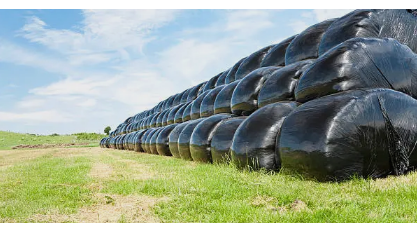
Silage Plastic’ Choosing the Best Option for Australian Farms
For Australian livestock farmers, preserving high-quality forage is critical to maintaining animal health and farm profitability. One of the most effective tools in achieving this is silage plastic. The right silage plastic not only protects stored feed from spoilage but also ensures optimal fermentation, reducing wastage and preserving nutritional value. With Australia’s diverse climates—from the hot, dry regions of Queensland to the cooler, wetter areas of Victoria and Tasmania—selecting the correct silage plastic is essential for farmers seeking long-term efficiency and cost savings.
Types of Silage Plastic Available in Australia
Australian farmers have access to several types of silage plastic, each designed to meet different storage and climatic conditions. The two main categories are single-layer films and multi-layer films. Single-layer silage plastic is generally more affordable and suitable for short-term storage, but it may not provide a sufficient oxygen barrier for long-term fermentation. Multi-layer silage plastic, often referred to as stretch film, combines durability with excellent oxygen and moisture barrier properties, making it ideal for extended storage periods in challenging environments.
Some high-performance silage plastics feature anti-UV coatings, which are particularly beneficial in Australia’s sun-intensive regions. UV-resistant films prevent degradation, maintaining the integrity of the wrap throughout storage. This is especially important in northern Australia, where intense sunlight can rapidly weaken standard plastic, leading to feed exposure and spoilage.
Matching Silage Plastic to Australian Climate Zones
Australia’s varied climate means one-size-fits-all solutions rarely work for silage storage. In arid regions such as parts of Western Australia and central Queensland, silage plastic must withstand extreme heat and strong sunlight. Here, thicker, UV-resistant multi-layer films are highly recommended, as they prevent cracking and reduce oxygen infiltration that can compromise the silage.
In contrast, southern regions, including Victoria, New South Wales, and Tasmania, often experience cooler, wetter conditions. Silage plastics in these areas must resist punctures from moisture-laden handling and prevent water ingress. Using high-strength, puncture-resistant films ensures that fermentation remains anaerobic, minimising the risk of mould growth and feed spoilage.
Proper Silage Wrapping Techniques
Even the highest-quality silage plastic will fail if not applied correctly. Australian farmers are advised to use appropriate wrapping equipment, including mechanical bale wrappers, to ensure tight, uniform coverage. Overlapping layers and using a sufficient number of film layers are crucial to creating an airtight seal.
When wrapping silage, attention must also be paid to the surface where bales or silage stacks are placed. Sharp stones or debris can puncture the plastic, compromising feed quality. Some Australian farmers use protective netting or pallet bases to maintain the integrity of the silage wrap, particularly in regions with rough terrain.
Cost-Effectiveness and Sustainability
While high-performance silage plastic may have a higher upfront cost, it often proves more economical over time by reducing feed loss and extending storage duration. Australian farmers looking to optimise returns should consider both durability and oxygen barrier quality when selecting silage plastic. Additionally, some manufacturers offer recyclable or biodegradable silage films, aligning with sustainability goals and local environmental regulations.
Farmers can also save by purchasing silage plastic in bulk from local suppliers across Australia, including Queensland, New South Wales, and South Australia. Buying regionally reduces shipping costs and ensures faster delivery during critical harvest periods.
Choosing Local Suppliers and Brands
Australia hosts a range of silage plastic suppliers and brands tailored to local farming needs. Selecting a supplier with a proven track record of supplying UV-stabilised, multi-layer films is critical. Local distributors can also provide technical advice on the optimal type of plastic for specific forage crops and regional conditions, ensuring that farmers maximise silage quality.
Some leading Australian brands have developed products specifically engineered for the country’s climate challenges, offering superior tensile strength and puncture resistance. Partnering with these brands can also simplify logistics and provide access to support services, including training for correct bale-wrapping techniques.
Conclusion
Investing in the right silage plastic is a crucial step for Australian livestock farmers looking to maintain high-quality feed and reduce wastage. By understanding the types of silage films available, matching products to local climate conditions, applying proper wrapping techniques, and sourcing from reliable local suppliers, farmers can ensure optimal forage preservation year-round. With Australia’s unique environmental challenges, selecting durable, UV-resistant, and puncture-proof silage plastic is more than just a practical choice—it’s a strategic investment in the farm’s long-term productivity and profitability.





Comments are Disabled