Posts in Category: Farming
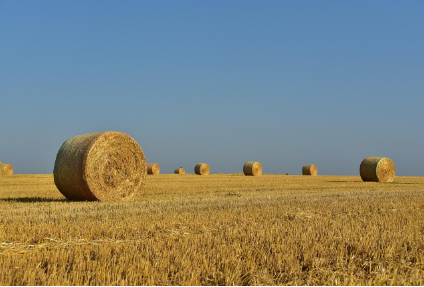
Net Replacement Film’ How Much You Should Have for Australian Homes and Businesses
When it comes to maintaining window screens and mesh doors in Australian homes, net replacement film is an essential item that many homeowners underestimate. Whether you live in the humid coastal suburbs of Queensland, the sunny outback of the Northern Territory, or the windy regions of South Australia, window screens are constantly exposed to the elements. Knowing how much net replacement film to keep on hand ensures you can quickly repair or replace damaged screens, keeping your home secure, well-ventilated, and free from insects. In this guide, we’ll explore how to calculate your requirements and what local factors affect your net replacement needs.
Understanding Net Replacement Film
Net replacement film is a durable, flexible material used to repair or replace damaged window and door screens. Unlike traditional screening, which may require complete panel replacement, net replacement film allows you to patch holes, tears, and worn-out areas effectively. It comes in various sizes, thicknesses, and materials, including fibreglass, polyester, and PVC-coated mesh, making it suitable for different Australian environments. Fibreglass is popular in most households due to its flexibility and resistance to rust, while PVC-coated mesh is ideal for coastal areas prone to salt exposure.
Factors Influencing How Much Net Replacement Film You Need
Determining the right quantity of net replacement film depends on several key factors.
1. Number of Screens in Your Home or Business: Start by taking inventory. Count all windows, sliding doors, and other mesh-covered openings that might require repair. Australian homes often have larger window areas in living rooms and verandas, while commercial properties may have multiple smaller units.
2. Frequency of Damage: The Australian climate can accelerate wear and tear on screens. For instance, strong sun in regions like Queensland and New South Wales can cause fibreglass mesh to become brittle over time. Coastal winds in South Australia and Victoria may lead to more frequent dust and debris tears. If you live in these regions, it’s wise to keep extra net replacement film on hand for preventative maintenance.
3. Type of Mesh Used: Thicker, high-quality mesh may last longer but is often more expensive. If you’re using standard fibreglass mesh, plan for more frequent replacements. Investing in durable mesh initially can reduce the long-term quantity of replacement film needed.
4. Seasonal Considerations: In Australia, summer brings an influx of insects, including mosquitoes and flies. This is the period when screens are most likely to suffer damage, especially in homes with pets or children. Keeping net replacement film ready before the season starts ensures you can perform repairs promptly, maintaining indoor comfort and hygiene.
Calculating Your Net Replacement Film Needs
To estimate the right amount of net replacement film, measure the total area of all screens and add a safety margin of 10–20% for future repairs. For example, if your home has ten windows averaging 1.2 square meters each, that totals 12 square meters. Adding 20% means you should stock approximately 14–15 square meters of net replacement film. This calculation prevents shortages while avoiding overstocking, which can lead to unnecessary costs and storage issues.
Choosing the Right Type for Australian Conditions
Different Australian regions have unique environmental challenges that impact the lifespan of screen mesh:
● Coastal Areas: Salt-laden air can corrode metal frames and degrade standard mesh. PVC-coated or marine-grade fibreglass is recommended.
● Outback and Inland Regions: Intense UV exposure can weaken ordinary mesh. UV-resistant net replacement film is ideal.
● Urban Areas: Pollution and debris may cause gradual wear. Standard fibreglass or polyester mesh usually suffices with regular checks.
Selecting the right type of net replacement film helps reduce the total amount you need over time, as durable mesh lasts longer and resists local environmental stresses.
Storage and Maintenance Tips
Once you have your net replacement film, proper storage is crucial. Keep rolls in a cool, dry place away from direct sunlight to prevent premature deterioration. Label each roll with its type and intended use to make future repairs quick and efficient. Regular inspection of your screens, at least twice a year, allows you to identify small holes or frays before they worsen, reducing the overall net replacement film required.
Conclusion
Understanding how much net replacement film to have is vital for Australian homeowners and businesses aiming to maintain functional and insect-free window screens. By considering the number of screens, local climate conditions, mesh type, and seasonal factors, you can accurately estimate the right quantity to keep on hand. Proper storage and proactive maintenance further extend the lifespan of your screens, ensuring that your investment in net replacement film is maximised. Whether you live by the coast, in the city, or in rural Australia, having a ready supply of net replacement film keeps your home secure, comfortable, and ready to face any seasonal challenge.
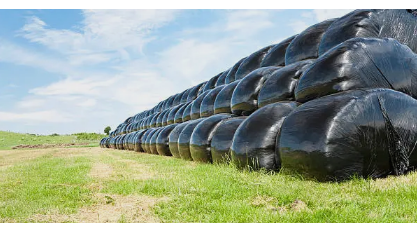
Silage Plastic’ Choosing the Best Option for Australian Farms
For Australian livestock farmers, preserving high-quality forage is critical to maintaining animal health and farm profitability. One of the most effective tools in achieving this is silage plastic. The right silage plastic not only protects stored feed from spoilage but also ensures optimal fermentation, reducing wastage and preserving nutritional value. With Australia’s diverse climates—from the hot, dry regions of Queensland to the cooler, wetter areas of Victoria and Tasmania—selecting the correct silage plastic is essential for farmers seeking long-term efficiency and cost savings.
Types of Silage Plastic Available in Australia
Australian farmers have access to several types of silage plastic, each designed to meet different storage and climatic conditions. The two main categories are single-layer films and multi-layer films. Single-layer silage plastic is generally more affordable and suitable for short-term storage, but it may not provide a sufficient oxygen barrier for long-term fermentation. Multi-layer silage plastic, often referred to as stretch film, combines durability with excellent oxygen and moisture barrier properties, making it ideal for extended storage periods in challenging environments.
Some high-performance silage plastics feature anti-UV coatings, which are particularly beneficial in Australia’s sun-intensive regions. UV-resistant films prevent degradation, maintaining the integrity of the wrap throughout storage. This is especially important in northern Australia, where intense sunlight can rapidly weaken standard plastic, leading to feed exposure and spoilage.
Matching Silage Plastic to Australian Climate Zones
Australia’s varied climate means one-size-fits-all solutions rarely work for silage storage. In arid regions such as parts of Western Australia and central Queensland, silage plastic must withstand extreme heat and strong sunlight. Here, thicker, UV-resistant multi-layer films are highly recommended, as they prevent cracking and reduce oxygen infiltration that can compromise the silage.
In contrast, southern regions, including Victoria, New South Wales, and Tasmania, often experience cooler, wetter conditions. Silage plastics in these areas must resist punctures from moisture-laden handling and prevent water ingress. Using high-strength, puncture-resistant films ensures that fermentation remains anaerobic, minimising the risk of mould growth and feed spoilage.
Proper Silage Wrapping Techniques
Even the highest-quality silage plastic will fail if not applied correctly. Australian farmers are advised to use appropriate wrapping equipment, including mechanical bale wrappers, to ensure tight, uniform coverage. Overlapping layers and using a sufficient number of film layers are crucial to creating an airtight seal.
When wrapping silage, attention must also be paid to the surface where bales or silage stacks are placed. Sharp stones or debris can puncture the plastic, compromising feed quality. Some Australian farmers use protective netting or pallet bases to maintain the integrity of the silage wrap, particularly in regions with rough terrain.
Cost-Effectiveness and Sustainability
While high-performance silage plastic may have a higher upfront cost, it often proves more economical over time by reducing feed loss and extending storage duration. Australian farmers looking to optimise returns should consider both durability and oxygen barrier quality when selecting silage plastic. Additionally, some manufacturers offer recyclable or biodegradable silage films, aligning with sustainability goals and local environmental regulations.
Farmers can also save by purchasing silage plastic in bulk from local suppliers across Australia, including Queensland, New South Wales, and South Australia. Buying regionally reduces shipping costs and ensures faster delivery during critical harvest periods.
Choosing Local Suppliers and Brands
Australia hosts a range of silage plastic suppliers and brands tailored to local farming needs. Selecting a supplier with a proven track record of supplying UV-stabilised, multi-layer films is critical. Local distributors can also provide technical advice on the optimal type of plastic for specific forage crops and regional conditions, ensuring that farmers maximise silage quality.
Some leading Australian brands have developed products specifically engineered for the country’s climate challenges, offering superior tensile strength and puncture resistance. Partnering with these brands can also simplify logistics and provide access to support services, including training for correct bale-wrapping techniques.
Conclusion
Investing in the right silage plastic is a crucial step for Australian livestock farmers looking to maintain high-quality feed and reduce wastage. By understanding the types of silage films available, matching products to local climate conditions, applying proper wrapping techniques, and sourcing from reliable local suppliers, farmers can ensure optimal forage preservation year-round. With Australia’s unique environmental challenges, selecting durable, UV-resistant, and puncture-proof silage plastic is more than just a practical choice—it’s a strategic investment in the farm’s long-term productivity and profitability.

Silage Wrap’ Choosing the Best Option for Australian Farms
For Australian farmers, maintaining high-quality forage is critical for livestock health and farm productivity. One essential tool in achieving this is the use of silage wrap. Silage wrap is designed to protect chopped forage, such as grass or maise, from air and moisture, allowing it to ferment properly and retain its nutritional value. With the wide range of silage wrap products available in Australia, choosing the right type can significantly impact feed quality, spoilage rates, and overall farm efficiency.
Understanding Silage Wrap and Its Importance
Silage wrap is a type of plastic film used to cover silage bales or pits, preventing oxygen from entering. When forage is wrapped correctly, it undergoes anaerobic fermentation, which preserves nutrients and prevents mould growth. In Australia’s varied climates—from the wet conditions of northern Queensland to the drier regions of South Australia—choosing a silage wrap that withstands local weather conditions is crucial. Using the wrong wrap can result in feed loss, increased costs, and reduced livestock performance.
Key Considerations for Australian Farmers
When selecting silage wrap, several factors are important for Australian conditions:
1. Durability and Strength – Australian farms often deal with harsh sunlight, strong winds, and variable rainfall. A high-quality silage wrap should resist tearing and puncturing during handling and storage. Thicker films, typically 25-30 microns, provide extra strength for long-term storage.
2. UV Resistance – Prolonged exposure to the Australian sun can degrade plastic films. Choosing a UV-resistant silage wrap ensures that the film maintains its integrity, protecting the forage from spoilage over extended periods.
3. Oxygen Barrier Properties – An effective silage wrap must prevent oxygen from entering, as air can disrupt fermentation and promote mould growth. Multi-layer wraps with excellent oxygen barrier properties are ideal for preserving silage in Australia’s diverse climates.
4. Compatibility with Baler Systems – Modern Australian farms often use automated balers for efficiency. It is essential to choose a silage wrap that is compatible with existing machinery to avoid production delays or equipment damage.
Types of Silage Wrap Popular in Australia
Australian farmers have access to several types of silage wrap:
● Stretch Film Silage Wrap – The most common option, stretch film wraps tightly around bales, creating an airtight seal. Its elasticity makes it suitable for irregularly shaped bales and uneven surfaces.
● UV-Stabilised Wrap – Specifically designed for Australian sunlight conditions, UV-stabilised silage wrap maintains its strength and protective qualities even after months of outdoor exposure.
● Biodegradable Wrap – Some Australian farmers are turning to environmentally friendly options. Biodegradable silage wrap reduces plastic waste but still requires proper handling and storage to maintain silage quality.
Best Practices for Using Silage Wrap in Australia
To maximise the benefits of silage wrap, Australian farmers should follow key practices:
1. Proper Bale Preparation – Ensure forage is at the correct moisture level (usually 50-60%) to prevent spoilage. Remove debris and sharp objects that could puncture the wrap.
2. Even Wrapping – Apply the wrap evenly, overlapping layers as recommended by the manufacturer. Typically, four to six layers are ideal for long-term storage.
3. Storage Considerations – Place wrapped bales on well-drained surfaces to avoid water pooling, which can compromise the wrap’s integrity. In windy areas, consider securing bales with netting or additional weights.
4. Monitoring and Maintenance – Regularly inspect wrapped bales for punctures or damage. Minor tears can be quickly repaired using specialised tape to maintain an airtight seal.
Cost and Sustainability Considerations
While high-quality silage wrap may have a higher upfront cost, it often reduces feed loss and improves livestock performance, offering long-term savings for Australian farms. Additionally, choosing biodegradable or recyclable options aligns with sustainability goals increasingly embraced by Australian agricultural businesses. Reducing plastic waste while maintaining feed quality is becoming an essential consideration for responsible farm management.
Choosing the Right Supplier
Australian farmers have multiple options when sourcing silage wrap. Local suppliers offer products suited to regional conditions and can provide technical support for selecting the right wrap type. Some suppliers even offer bulk-purchase discounts or delivery services to rural areas, making it easier for farms of all sizes to access quality silage wrap.
Conclusion
Selecting the appropriate silage wrap is a vital decision for Australian farmers looking to protect their forage and optimise livestock nutrition. By considering factors such as durability, UV resistance, oxygen barrier properties, and machinery compatibility, farmers can ensure their silage remains high-quality throughout storage. Combining proper wrapping techniques with reliable local suppliers and sustainable practices can improve feed efficiency, reduce spoilage, and increase a farming operation’s productivity. With the right silage wrap, Australian farms can secure a consistent and nutritious feed supply for their livestock year-round.

Net Wrap’ Essential Solutions for Australian Farmers to Preserve Hay and Silage
In Australian agriculture, maintaining the quality of hay and silage is crucial for livestock nutrition and farm profitability. One of the most effective tools for achieving this is net wrap. Unlike traditional twine, net wrap offers superior bale stability, reduces feed loss, and is designed to withstand Australia’s unique climate challenges, from scorching sun in Queensland to frosty winters in Victoria. Farmers across the country are increasingly adopting net wrap to protect their hay and silage investments while improving baling efficiency.
Why Australian Farmers Are Choosing Net Wrap
Australia’s diverse climate and agricultural conditions demand reliable baling solutions. Net wrap provides several key benefits that make it particularly suited for Australian farms:
1. Improved Bale Integrity: Net wrap tightly encases bales, ensuring they maintain shape during handling and transport. In regions like New South Wales, where bales may be moved long distances to feed livestock, this durability is essential. Unlike twine, which can loosen over time, net wrap keeps the bale compact, reducing waste and maintaining the feed’s nutritional value.
2. Reduced Feed Loss: Hay and silage losses can significantly impact farm profits. Net wrap prevents bale unravelling, keeping more feed intact for livestock. This is especially important for farmers in arid regions such as South Australia, where every kilogram of feed counts during dry seasons. By using net wrap, Australian farmers can maximise their feed efficiency and reduce unnecessary waste.
3. Faster Baling Process: Time is a critical factor during harvest seasons. Net wrap allows faster wrapping than traditional twine, helping farmers complete baling operations more efficiently. With weather conditions often unpredictable, particularly in northern Australia, the ability to bail quickly can prevent significant losses due to sudden rain or strong winds.
Choosing the Right Net Wrap for Australian Conditions
Not all net wrap is created equal, and selecting the right type is essential for success in Australian farming. Consider the following factors:
● UV Resistance: Australian sun exposure can be intense. High-quality UV-resistant net wrap prevents degradation and ensures the bale stays protected even when stored outdoors for extended periods.
● Width and Strength: Different crops require different net wrap specifications. For example, lucerne hay in Victoria may require a tighter, stronger wrap than oat hay in Queensland. Choosing the appropriate width and tensile strength ensures optimal bale formation and protection.
● Biodegradability Options: Environmentally conscious Australian farmers are increasingly turning to biodegradable net wrap. This reduces plastic waste and supports sustainable farming practices without compromising bale quality.
Local Suppliers and Accessibility
Net wrap is widely available across Australia, from major agricultural suppliers in New South Wales and Victoria to regional stores in Queensland, South Australia, and Western Australia. Farmers have access to various brands and specifications, allowing them to match net wrap to their specific crops and farm conditions. Bulk purchasing options also provide cost savings, particularly for large-scale operations.
Real-World Benefits for Australian Farms
Farmers across Australia report tangible benefits after switching to net wrap:
● Queensland: Producers of tropical forage crops find that net wrap withstands high humidity and heavy rainfall, keeping bales intact during storage and transport.
● Victoria: Dairy farmers using lucerne and ryegrass hay experience reduced spoilage, ensuring consistent feed quality for milk production.
● South Australia: Net wrap helps wheat and oat silage bales survive long-term outdoor storage without losing shape or nutritional value.
These case examples highlight how net wrap improves operational efficiency while safeguarding feed quality across various Australian climates and crops.
Sustainability and Environmental Considerations
Sustainability is an increasingly important factor for Australian farmers. Biodegradable net wrap options allow bales to be wrapped and stored with minimal environmental impact. These wraps break down naturally over time, reducing the accumulation of plastic waste on farms. By investing in sustainable net wrap, Australian farmers can support eco-friendly practices while still enjoying all the benefits of superior bale protection.
Conclusion
For Australian farmers seeking to maximise feed efficiency, reduce waste, and maintain bale integrity, net wrap is an essential tool. Its durability, speed, and adaptability to local conditions make it a superior choice over traditional twine. By choosing the right net wrap for their crops and climate, farmers across Australia can improve operational efficiency, protect feed quality, and adopt more sustainable practices.
Whether managing hay in Queensland, silage in South Australia, or lucerne in Victoria, net wrap offers a reliable, cost-effective solution that meets the diverse needs of Australian agriculture. Investing in high-quality net wrap is not just about convenience—it’s a strategic decision that can enhance productivity, protect resources, and support long-term farm sustainability.

Stockinette Bags Supplier in Australia’ The Essential Partner for Sustainable Produce Packaging Solutions
In today’s environmentally conscious world, businesses are increasingly shifting towards sustainable packaging solutions. One packaging innovation that has stood the test of time—especially within the agricultural and food sectors—is the humble stockinette bag. Whether used for packaging meat, produce, or industrial goods, these knitted bags are valued for their strength, breathability, and eco-friendliness. For Australian producers and distributors seeking reliability, choosing the right stockinette bags supplier can make all the difference in product quality, sustainability, and overall operational efficiency.
The Importance of Stockinette Bags in Australian Industries
Australia’s diverse economy, spanning agriculture to manufacturing, relies heavily on durable, adaptable packaging materials. Stockinette bags are especially popular across regions known for livestock, fresh produce, and food exports. Farmers use them to pack potatoes, onions, and citrus fruits, while butchers and meat processors rely on them to wrap carcasses and large cuts.
Unlike plastic packaging, stockinette bags are made from cotton or polyester blends that provide both ventilation and protection. This breathable quality helps maintain freshness during transport and storage, a critical factor in Australia’s hot climate. A reputable stockinette bags supplier not only provides high-quality materials but also understands the unique demands of Australian industries—such as compliance with food safety standards, export regulations, and sustainability goals.
Why Businesses Choose Stockinette Bags for Sustainable Packaging
As Australia continues to embrace greener practices, businesses are seeking packaging options that align with sustainability goals without compromising on performance. Stockinette bags fit this purpose perfectly. They are reusable, biodegradable (when made from natural fibres), and reduce the environmental footprint compared to single-use plastics.
Many Australian farms and wholesalers have adopted stockinette bags as part of their broader environmental strategy. These bags are not only functional but also convey a positive message to consumers, demonstrating the brand’s commitment to eco-friendly practices. Working with a dependable stockinette bags supplier ensures consistent access to ethically produced and environmentally responsible packaging materials, supporting long-term sustainability efforts.
The Growing Demand for Australian-Made Stockinette Bags
With the global focus on sustainability, there’s a renewed appreciation for locally made products. Many Australian businesses prefer sourcing from domestic manufacturers to support the local economy and reduce their carbon footprint. Locally produced stockinette bags often offer superior quality control and faster delivery times than imported alternatives.
Working with an Australian stockinette bags supplier also provides greater flexibility—whether you need custom orders for a specific harvest season or a bulk shipment for export operations. Local suppliers understand the challenges faced by Australian farmers, meat processors, and wholesalers, making them valuable partners in maintaining both efficiency and environmental responsibility.
Applications of Stockinette Bags Across Australian Sectors
The versatility of stockinette bags has made them indispensable across various Australian industries:
● Agriculture: Used for packaging root vegetables, citrus fruits, and nuts, allowing air circulation to preserve freshness.
● Meat Processing: Ideal for wrapping carcasses or meat cuts, protecting them during chilling and transport.
● Industrial Use: Employed for packaging bulk items like charcoal, sand, and even hardware components.
● Retail and Markets: Many local grocers and farmers’ markets use stockinette bags for eco-friendly product presentation.
Each of these sectors benefits from the same qualities—strength, flexibility, and sustainability—making the role of a reliable stockinette bags supplier crucial to maintaining quality across supply chains.
Partnering with the Right Supplier for Long-Term Success
Building a lasting relationship with a trusted supplier of stockinette bags in Australia brings tangible benefits to your business. Beyond providing packaging, a good supplier becomes a strategic partner—helping you adapt to evolving environmental standards, supply chain demands, and consumer expectations.
Reliable suppliers also offer guidance on product selection, helping you choose the most cost-effective and sustainable options. Whether you’re a large-scale exporter or a local produce vendor, having the right packaging partner ensures your products are protected, compliant, and aligned with your brand’s sustainability values.
Final Thoughts
In Australia’s growing push towards sustainability, stockinette bags remain a simple yet powerful solution for eco-conscious packaging. Their durability, versatility, and minimal environmental impact make them the preferred choice across agricultural, industrial, and retail sectors.
For businesses looking to enhance their packaging systems, working with an experienced stockinette bags supplier is a strategic move. By choosing the right partner, you’re not only investing in high-quality packaging—you’re supporting local industries, promoting sustainability, and strengthening the long-term success of your business.

Bale Wrap in Australia’ Maximising Farm Efficiency with Cost-Effective Bale Wrap for Better Silage Management
Efficient silage storage and preservation are vital to Australian agriculture, particularly in regions where unpredictable weather and fluctuating feed prices impact farm profitability. As farmers continue to seek innovative ways to reduce costs while maintaining product quality, cost-effective bale wrap solutions have become essential tools in modern farming. From extending feed shelf life to improving operational efficiency, the right bale wrap can make a significant difference in both productivity and sustainability.
The Role of Bale Wrap in Australian Farming
Across Australia’s diverse agricultural landscapes—from Victoria’s lush dairy regions to the broadacre farms of New South Wales—bale wrap plays a crucial role in silage production. It acts as a protective barrier, sealing in nutrients and keeping out oxygen, pests, and moisture. This airtight environment helps maintain the nutritional value of forage, ensuring livestock receive consistent, high-quality feed year-round.
The Australian climate, known for its extremes of heat, humidity, and occasional drought, presents an additional challenge to feed preservation. A poor-quality wrap can quickly deteriorate under UV exposure or temperature fluctuations, resulting in spoilage and waste. Farmers are now turning to cost-effective bale wrap options that strike a balance between affordability and durability, ensuring maximum performance under challenging local conditions.
What Makes Bale Wrap “Cost-Effective”?
Being “cost-effective” doesn’t simply mean being cheap. For Australian farmers, it means achieving the best long-term return on investment. Cost-effective bale wrap is designed to deliver consistent performance, resisting punctures, tears, and UV damage, while offering excellent cling and stretch properties. These features reduce the number of layers required per bale, saving both material and labour costs.
How Australian Farmers Can Choose the Right Bale Wrap
Choosing the right bale wrap requires consideration of factors such as crop type, the wrapping machinery, and the regional climate. Here are key factors Australian farmers should prioritise:
UV Resistance: Australia’s harsh sun can quickly degrade lower-quality plastics. Look for bale wraps with enhanced UV stabilisers designed specifically for southern hemisphere conditions.
Stretch and Elasticity: A wrap that maintains consistent tension ensures airtight sealing. It reduces spoilage caused by trapped oxygen.
Tear Resistance: Sharp crop stems or rough handling can cause punctures. Cost-effective wraps should resist tearing during both wrapping and storage.
Environmental Sustainability: Many modern wraps offer recyclable or biodegradable options, aligning with the agricultural sector’s growing focus on eco-friendly practices.
Farmers should also consider partnering with trusted suppliers who understand Australian conditions and can recommend wraps tailored to specific regions and crops.
Benefits of Using Cost-Effective Bale Wrap
The advantages of investing in cost-effective bale wrap go beyond immediate savings. These wraps can significantly enhance overall farm efficiency and profitability through:
Improved Silage Quality: Airtight wrapping preserves nutrients and reduces mould formation.
Reduced Feed Loss: Minimising oxygen exposure ensures that a higher percentage of stored feed remains usable.
Lower Operational Costs: Durable wraps reduce the need for re-wrapping and replacement.
Environmental Impact: High-quality materials minimise waste and may offer recyclability options.
By maintaining silage integrity, farmers can reduce their reliance on external feed sources, particularly during dry spells or droughts, helping to stabilise farm income.
The Economic Impact Across Australian Agriculture
In recent years, the cost of inputs such as fuel, fertiliser, and feed has continued to rise. It has placed pressure on farmers to find smarter ways to manage expenses. The use of cost-effective bale wrap has emerged as a practical solution for mitigating these rising costs.
In dairy regions such as Gippsland and South-West Victoria, where silage plays a central role in feed management, selecting the right wrap can reduce spoilage rates by up to 15%. Similarly, in Queensland and Western Australia’s more arid areas, UV-resistant wraps help farmers maintain bale quality despite prolonged exposure to the sun. The cumulative effect across Australia’s farming sector is substantial, resulting in less waste, lower feed costs, and improved overall efficiency.
Sustainability and the Future of Bale Wrap
As Australia continues to embrace sustainability, the development of eco-friendly bale wrap technologies is accelerating. Manufacturers are introducing recyclable and bio-based films that maintain durability while reducing plastic waste. These innovations align with national goals for reducing agricultural emissions and promoting circular economy practices.
Conclusion: Smart Choices for a Smarter Future
In the competitive landscape of modern Australian agriculture, success hinges on striking a balance between productivity and sustainability. Bale wrap technology has evolved from a simple preservation tool into a strategic investment in farm efficiency and feed security. By selecting cost-effective bale wrap options that strike a balance between quality, durability, and environmental responsibility, Australian farmers can safeguard their silage, reduce operational costs, and foster a more resilient agricultural future.
The message is clear: the right bale wrap doesn’t just cover your bales—it covers your bottom line.


Silage Covers: Enhancing Nutritional Value in Stored Feed
For modern farmers, maintaining the nutritional quality of livestock feed is essential for healthy animals and efficient farm operations. Silage is a vital source of nutrients for cattle, sheep, and other farm animals, but its quality can quickly deteriorate if not stored properly. Silage covers have emerged as an effective solution in Australia to protect feed from spoilage, preserve nutrients, and ensure livestock receive high-quality nutrition throughout the year.
The Importance of Silage in Livestock Nutrition
Silage is made by fermenting chopped green crops, such as maize, grass, or sorghum, under anaerobic conditions. This fermentation process locks in essential nutrients like carbohydrates, proteins, vitamins, and minerals that are crucial for livestock growth and production. However, exposure to oxygen, moisture, pests, and extreme weather can compromise the silage’s nutritional value. Using silage covers is a proactive measure that helps farmers protect their feed investment and maintain its quality over time.
How Silage Covers Preserve Nutritional Value
- Prevention of Oxidation
Oxygen is one of the primary threats to stored silage. When silage is exposed to air, it undergoes aerobic spoilage, which leads to nutrient loss and decreased feed efficiency. High-quality silage covers create an airtight barrier, minimizing oxygen infiltration and preserving the essential nutrients within the feed.
- Protection Against Moisture and Rain
Excess moisture can cause silage to rot and develop harmful mold, which reduces palatability and can pose health risks to livestock. Silage covers prevent water from seeping into silage piles, maintaining the correct moisture balance and ensuring feed retains its nutritional integrity.
- Reduction of Pest Contamination
Birds, rodents, and insects can damage silage, leading to both physical loss and microbial contamination. Properly secured silage covers act as a barrier, protecting the feed from pests while maintaining its quality.
- UV Protection
Prolonged exposure to sunlight can degrade the nutritional content of silage. Modern silage covers are often UV-resistant, preventing sunlight from breaking down vital nutrients and prolonging the feed’s usability.
Best Practices for Using Silage Covers
- Select the Right Cover Material
Not all silage covers are created equal. Choose high-quality, durable materials that are resistant to tears, UV rays, and water infiltration. Multi-layer films or heavy-duty sheets are ideal for long-term storage.
- Proper Installation
To maximize effectiveness, covers must be tightly secured over silage piles or bunkers. Use sandbags, tires, or other weights to ensure edges are sealed and prevent air and water from entering.
- Regular Monitoring
Even the best silage covers require occasional inspection. Look for holes, tears, or displaced sections, and repair them promptly to prevent nutrient loss.
- Combine with Effective Silage Management
Proper harvesting, chopping, and packing techniques should be used alongside silage covers. Dense packing reduces air pockets, while rapid covering minimizes exposure to oxygen, ensuring the highest nutritional preservation.
Benefits of Using Silage Covers
- Maximized Feed Efficiency: Maintaining nutritional quality ensures livestock receive high-energy, nutrient-rich feed, reducing the need for supplements.
- Cost Savings: Less spoilage means lower feed replacement costs and more efficient use of farm resources.
- Animal Health: Preserved silage provides consistent nutrition, supporting growth, milk production, and overall livestock well-being.
- Environmental Responsibility: By reducing waste, farmers can lower the environmental impact associated with feed production and disposal.
Innovative Silage Cover Solutions
Recent advancements in silage covers provide additional benefits for farmers focused on sustainability and efficiency:
- Biodegradable Covers: These eco-friendly options reduce plastic waste while still offering reliable protection.
- Multi-Layer Films: Designed to maintain anaerobic conditions, these covers enhance nutrient preservation.
- Heavy-Duty UV-Resistant Covers: Protect silage from sunlight and extreme weather conditions, extending storage life.
Conclusion
Protecting silage is more than a matter of convenience; it is essential for maintaining the nutritional value of stored feed. Silage covers provide a simple, cost-effective solution to preserve nutrients, prevent spoilage, and enhance feed efficiency for livestock. By selecting the right cover, installing it properly, and following best practices, farmers can ensure their silage remains high-quality and safe throughout storage.
Investing in silage covers not only protects a critical resource but also contributes to more sustainable, efficient, and profitable farming operations. For modern farmers, using high-quality silage covers is an indispensable strategy for maintaining optimal livestock nutrition and achieving long-term farm success.