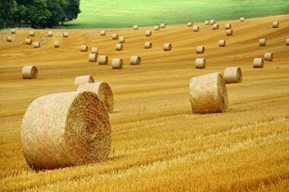
Baling Twine’ High-Knot Strength for Big HD Bales in the Aussie Outback
When you are producing large hay or straw bales in the Australian Outback, your baling twine needs to do more than hold a bale together. It must withstand high tension during baling, rough handling and prolonged exposure to heat, dust and changing weather conditions.
Weather-resistant baling twine provides the durability needed to help maintain bale integrity from the paddock to storage and feeding. For producers working across Australia’s demanding agricultural regions, choosing the right twine can make a practical difference to handling efficiency, bale stability and feed protection.
Why Baling Twine Strength Matters for Big Bales
Large-density (HD) bales place considerable tension on the twine as they are formed and compressed. If the twine stretches excessively, breaks or fails at the knot, the bale can lose its shape and become harder to stack, transport or store.
This is where high-knot-strength twine becomes particularly important. A strong knot helps maintain the binding force created by the baler, reducing the risk of separation when bales are ejected, moved with machinery or stacked for storage.
Reliable baling twine should provide:
● Strong tensile performance for dense, heavy bales
● Consistent knot strength during high-tension baling
● Resistance to abrasion from handling equipment
● Good resistance to sunlight and outdoor exposure
● Reliable performance across changing field conditions
Weather-Resistant Baling Twine for Australian Conditions
Australia presents some challenging conditions for agricultural materials. From intense sunlight and dry heat in inland areas to sudden rain and seasonal humidity in other regions, baling materials can face considerable environmental stress.
Weather-resistant crop protection solution is designed to perform in outdoor conditions. UV resistance is especially valuable when bales are stored outside or remain in the paddock before collection. Twine that deteriorates quickly in sunlight can become brittle and less dependable over time.
For producers in areas such as Queensland, New South Wales, South Australia and Western Australia, selecting twine suited to local conditions is an important part of reliable bale management.
Matching Twine to the Baler and Bale
Not every baling operation has the same requirements. The correct twine depends on the baler, bale dimensions, crop material and operating conditions.
Before purchasing, check the baler manufacturer’s recommendations and confirm the twine suits the intended bale size and tying system. Using a product designed for the application helps support consistent knot formation and reduces avoidable interruptions during baling.
Benefits Beyond the Paddock
Strong twine is about more than getting through the baling process. Bale integrity matters throughout the entire handling chain.
A properly secured bale is easier to move with loaders, transport on trailers and stack efficiently. It also helps keep the material compact during storage, reducing the chance of loose sections developing when bales are handled repeatedly.
For operations producing substantial quantities of hay, choosing weather-resistant baling twine can also support more predictable day-to-day baling. Fewer broken ties and better knot performance can mean less time stopping to re-tie or adjust bales.
Choosing High Knot Strength Twine for the Outback
For Australian producers, durability should be a priority, not an afterthought. Look for twine with dependable knot performance, appropriate tensile strength, UV resistance and construction suited to demanding agricultural use.
The right weather-resistant baling twine should match your baler’s specifications and deliver dependable performance from baling through storage and transport.
Conclusion
Big HD bales demand dependable binding, especially when produced and handled under Australia’s tough agricultural conditions. High-knot-strength twine helps secure dense bales, while weather-resistant construction provides greater durability against sun and outdoor exposure.
Choose baling twine that matches your equipment, bale requirements and local climate. For reliable performance in demanding Australian conditions, invest in quality weather-resistant baling twine designed to keep your bales secure when it matters most.
Looking for dependable twine for large-format baling? Compare specifications carefully and choose a high-strength, weather-resistant option suited to your baler and Australian operating conditions.
—
Frequently Asked Questions
1. What is weather-resistant baling twine?
Weather-resistant baling twine is manufactured to withstand outdoor exposure, including sunlight and changing weather, while maintaining its strength and functionality.
2. Why is knot strength important in baling twine?
Knot strength helps the twine maintain a secure hold when dense bales are formed, ejected, transported and handled.
3. Is high knot strength twine suitable for HD bales?
It can be suitable for HD bales when its specifications match the baler, bale density and manufacturer’s recommended twine requirements.
4. Does UV exposure affect baling twine?
Yes. Prolonged sunlight can degrade some plastics and reduce their strength. UV-resistant construction can help improve outdoor durability.
5. How should Australian farmers choose baling twine?
Consider the baler’s specifications, bale size, crop type, required strength, knot performance and expected exposure to Australian weather conditions.





Comments are Disabled