Posts in Category: Furniture
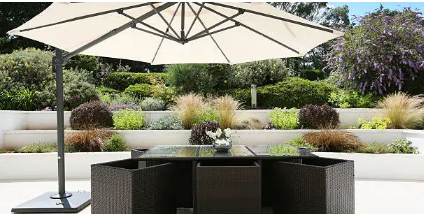
Outdoor Umbrella Buying Guide for Auckland Businesses’ Weather-Ready Shade That Lasts
Auckland businesses live and die by their outdoor spaces. Cafés, restaurants, bars, and hospitality venues rely on comfortable exterior seating to attract foot traffic and extend usable floor area year-round. Choosing the right large outdoor umbrella is not just an aesthetic decision — it’s an operational investment shaped by Auckland’s coastal climate, variable winds, and strong UV exposure. A well-selected umbrella improves customer comfort, protects furnishings, and reduces long-term replacement costs. Understanding how materials, engineering, and local environmental factors interact is essential before committing capital.
Auckland’s Climate Demands Commercial-Grade Performance
Auckland’s weather profile is uniquely demanding. High UV index levels, salt-laden coastal air, and sudden wind gusts can quickly degrade low-quality shade equipment. Many businesses make the mistake of purchasing residential umbrellas that aren’t engineered for commercial use.
Commercial umbrellas designed for Auckland conditions prioritise:
● Solution-dyed acrylic canopies that resist fading and mildew
● Marine-grade aluminium frames that won’t corrode
● Reinforced rib structures to manage wind loading
● Drainage-friendly canopy shapes for heavy rain
Investing in a large outdoor umbrella with commercial certifications ensures compliance with safety expectations while minimising downtime caused by equipment failure. The goal is durability under repetitive daily deployment, not occasional backyard use.
Size and Coverage: Maximising Revenue per Square Metre
For hospitality operators, every square metre matters. Oversized umbrellas aren’t just about shade — they directly influence seating density and turnover. Larger canopy footprints allow for consistent coverage across multiple tables, reducing the need for numerous smaller units that clutter walkways and complicate staff movement.
Key sizing considerations include:
● Seating layout and traffic flow
● Clearance for standing patrons
● Integration with heaters or lighting
● Visibility for signage and branding
A thoughtfully scaled large outdoor umbrella can unify an outdoor zone visually while creating a defined, weather-protected microenvironment. This improves dwell time, encourages repeat visits, and supports year-round trading — especially valuable during Auckland’s shoulder seasons.
Structural Stability and Wind Management
Wind resistance is often the deciding factor between a smart purchase and an expensive mistake. Auckland’s coastal gusts place constant stress on umbrella frames and mounting systems. Commercial umbrellas mitigate this through engineered stability features:
● Heavy-duty base plates or in-ground mounts
● Flexible rib joints that absorb shock
● Ventilated canopy designs to reduce uplift
● Locking tilt and crank mechanisms
A professionally anchored large outdoor umbrella reduces liability risk while protecting surrounding furniture and glazing. Operators should treat wind management as a safety investment rather than an optional upgrade.
Materials That Withstand Coastal Wear
Salt air accelerates corrosion, particularly on untreated metals and low-grade fasteners. Businesses near Auckland’s waterfront or exposed zones need hardware designed for maritime durability.
Premium umbrella systems use:
● Powder-coated aluminium frames
● Stainless steel fittings
● UV-stabilised fabrics
● Mould-resistant stitching
Selecting a large outdoor umbrella built with marine-conscious materials dramatically extends service life. This reduces replacement frequency, lowers maintenance costs, and maintains a polished brand appearance — crucial in competitive hospitality districts.
Operational Efficiency and Staff Usability
Umbrellas are deployed and retracted daily. Poor ergonomics translates into staff frustration, slower setup times, and premature mechanical wear. Commercial-grade mechanisms prioritise smooth operation:
● Counterbalanced opening systems
● Lockable tilt adjustments
● Modular canopy replacement
● Quick-release safety features
A well-designed large outdoor umbrella becomes a seamless part of opening and closing routines rather than a cumbersome task. Operational efficiency supports staff productivity and protects moving components from misuse.
Branding and Customer Experience
Beyond utility, umbrellas serve as visual anchors for outdoor branding. Custom canopy colours, printed logos, and coordinated furniture create a cohesive street presence that attracts passing foot traffic.
In Auckland’s competitive hospitality landscape, outdoor ambience influences customer perception as much as menu offerings. A thoughtfully chosen umbrella system communicates professionalism, permanence, and attention to detail — qualities customers subconsciously associate with service quality.
Long-Term Investment Thinking
Businesses often underestimate the lifecycle economics of shade infrastructure. A cheaper umbrella may appear attractive upfront, but recurring repairs, fabric replacement, and safety concerns erode savings quickly.
A commercial umbrella designed for Auckland conditions offers:
● Multi-year structural reliability
● Reduced maintenance costs
● Enhanced customer comfort
● Improved operational efficiency
When evaluated over its lifespan, a premium system consistently delivers better return on investment.
Final Considerations for Auckland Operators
Outdoor hospitality in Auckland is both an opportunity and a logistical challenge shaped by climate variability. Selecting the right umbrella involves balancing durability, safety, aesthetics, and operational practicality. Businesses that prioritise commercial-grade engineering and weather resilience position themselves for smoother daily operations and stronger customer satisfaction.
A well-chosen umbrella is more than shade — it is infrastructure that supports revenue, brand identity, and long-term asset performance in one of New Zealand’s most dynamic urban environments.
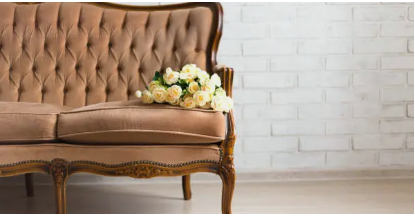
Upholsterers Adelaide- Embracing Innovation with Smart Materials and Cutting-Edge Technology
The upholstery industry in Adelaide is undergoing an exciting transformation, blending time-honoured craftsmanship with cutting-edge innovation. For generations, upholsterers Adelaide have been restoring, reviving, and reinventing furniture, but today’s workshops are embracing advanced materials, eco-conscious choices, and digital technologies that are shaping the future of the trade. From smart textiles to sustainable practices, these developments are not only redefining aesthetics but also ensuring greater durability, comfort, and design possibilities for Adelaide homes and businesses.
Smart Fabrics and High-Performance Materials
One of the most notable innovations in upholstery is the introduction of smart fabrics. These textiles are engineered to resist stains, moisture, and UV damage—an important consideration for Adelaide’s sunny climate. Fabrics with nanotechnology coatings, for example, allow wine, coffee, or pet mess to bead on the surface, making maintenance far easier for homeowners.
Beyond durability, new fabrics are also being designed for comfort and wellness. Temperature-regulating textiles and breathable materials are increasingly used in residential and commercial projects, ensuring comfort during Adelaide’s hot summers and cooler winters. These developments are helping upholsterers Adelaide deliver furniture that combines style with real-world practicality.
Sustainability Driving New Material Choices
Environmental awareness is a growing priority among Adelaide households, and upholstery workshops are responding by sourcing sustainable and ethically produced materials. Recycled polyester, organic cotton, and natural fibres such as hemp and linen are becoming popular alternatives to synthetic fabrics.
Leather substitutes are also advancing rapidly. Plant-based options made from pineapple leaves or cactus are entering local workshops, providing cruelty-free alternatives without compromising durability or aesthetic appeal. For Adelaide residents passionate about reducing their environmental footprint, these innovations offer a way to enjoy bespoke upholstery with peace of mind.
Upholsterers Adelaide are also experimenting with reclaimed wood and repurposed padding, ensuring old furniture frames are given new life rather than ending up in landfill. This sustainable approach resonates strongly with Adelaide’s culture of eco-conscious living.
Digital Tools Enhancing Traditional Craftsmanship
While upholstery remains a hands-on art, new digital tools are enhancing how local workshops design and deliver their services. 3D design software enables upholsterers to offer clients virtual previews of fabrics, colours, and patterns before committing to a project. This technology helps Adelaide homeowners visualise their furniture in a specific space, reducing guesswork and ensuring customer satisfaction.
Laser cutting technology is also streamlining the preparation of fabrics and materials, ensuring precise measurements and reducing waste. For upholsterers Adelaide, these advancements allow them to maintain the precision of traditional craftsmanship while improving efficiency and accuracy.
Technology in Commercial Upholstery
The hospitality and commercial sectors in Adelaide are increasingly demanding upholstery that strikes a balance between aesthetics and functionality. Hotels, restaurants, and offices now request antimicrobial fabrics—an innovation accelerated by post-pandemic awareness of hygiene. These textiles actively resist bacteria and odours, making them ideal for high-traffic environments.
Acoustic fabrics are also gaining popularity in Adelaide’s modern office fit-outs. Upholstered wall panels, booths, and seating designed with sound-absorbing materials are helping businesses create quieter, more productive workspaces. These advances highlight how upholsterers Adelaide are moving beyond residential furniture into specialised, technology-driven commercial projects.
The Role of Adelaide’s Local Workshops
What makes Adelaide unique is its blend of boutique upholstery workshops and established businesses, each adapting to these global innovations while keeping a distinctly local identity. Many upholsterers are collaborating with interior designers, architects, and furniture makers to bring cutting-edge ideas into South Australian homes and commercial spaces.
Local workshops are also playing a key role in education, teaching clients about the long-term benefits of investing in advanced fabrics and sustainable materials. It not only elevates the industry’s reputation but also ensures that Adelaide remains at the forefront of modern upholstery trends.
Looking Ahead: A Future of Innovation and Craft
The future of upholstery in Adelaide is bright, as tradition meets innovation in remarkable ways. Smart fabrics, eco-conscious materials, and digital technologies are transforming what’s possible, while local upholsterers continue to provide the artistry and attention to detail that defines the trade.
For homeowners and businesses alike, these innovations mean longer-lasting, healthier, and more stylish furniture that reflects both modern lifestyles and Adelaide’s unique character. As upholsterers Adelaide embrace these changes, they are setting the stage for an industry that remains deeply rooted in craftsmanship while confidently stepping into the future.

Outdoor Table and Chairs NZ: Style, Durability, and Comfort for Every Outdoor Space
Creating an inviting and functional outdoor space begins with the right furniture. For homeowners in New Zealand, selecting the ideal outdoor table and chairs NZ can transform a garden, patio, or balcony into a haven for relaxation, dining, and entertaining. With numerous options available, understanding the key factors—style, durability, comfort, and maintenance—is crucial for making an informed choice.
Understanding Your Outdoor Space
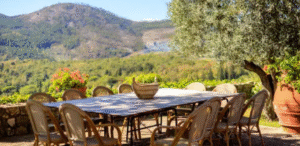
outdoor table and chairs providing style, durability, and comfort for every outdoor space
Before investing in an outdoor table and chairs NZ, it’s crucial to assess your outdoor area. Consider the size, shape, and existing features of your space. For smaller patios or balconies, compact or foldable sets can maximise usability without crowding the area. Conversely, expansive gardens may accommodate larger dining sets, lounge chairs, or sectional arrangements that invite gatherings of family and friends.
The location also matters. A shaded veranda may allow for delicate wooden furniture, while exposed decks or poolside areas benefit from materials resistant to sun, rain, and wind. Understanding your space ensures your furniture complements both the environment and your lifestyle.
Choosing the Right Style
Style is more than aesthetics; it defines the mood and usability of your outdoor space. From modern minimalism to rustic charm, the right outdoor table and chairs NZ can reflect personal taste while remaining practical.
Contemporary Sets: Sleek lines, metal frames, and glass or composite tabletops create a modern, sophisticated look. These sets are ideal for urban patios or minimalist garden layouts.
Rustic and Wooden Designs: Solid wood, such as teak or cedar, offers natural warmth and a timeless appearance. Wood ages gracefully outdoors, developing character while maintaining durability if properly treated.
Wicker and Rattan Furniture: Synthetic wicker is lightweight, stylish, and resistant to moisture, making it perfect for areas near pools or coastal locations. It pairs beautifully with soft cushions for added comfort.
When selecting style, also consider coordination with existing outdoor elements, such as decking, pergolas, or landscaping. A cohesive design enhances the visual appeal of your entire property.
Prioritising Durability
Durability is paramount in New Zealand’s diverse climate, where furniture must withstand sun, wind, rain, and even occasional frost. Investing in robust materials ensures longevity and reduces maintenance costs over time.
Aluminium: Lightweight, rust-resistant, and easy to maintain, aluminium is a top choice for enduring outdoor conditions. Powder-coated finishes provide additional protection against scratches and corrosion.
Teak and Hardwood: Naturally dense and weather-resistant, hardwoods offer superior durability. Regular oiling maintains the finish and prevents cracking.
Synthetic Materials: High-quality plastics, resin, or composite materials provide excellent resilience against moisture, UV rays, and temperature fluctuations. They are often more affordable while retaining aesthetic appeal.
Checking product warranties and manufacturer recommendations can also indicate the expected lifespan and care requirements of your chosen outdoor table and chairs NZ.
Comfort Matters
While style and durability are crucial, comfort should never be overlooked. Comfortable seating encourages more extended gatherings and makes outdoor spaces more inviting.
Cushioned Seating: Weather-resistant cushions provide enhanced comfort, particularly during extended dining or lounging sessions. Quick-drying foam and removable covers make cleaning easier.
Ergonomic Design: Chairs with proper back support, armrests, and adjustable features promote a relaxing experience. Stackable or folding chairs may compromise ergonomics slightly, but offer space-saving benefits.
Table Height and Size: Ensure your table height complements your seating. Standard dining tables are typically 72–76 cm high, while bistro or café-style sets may be lower for casual seating.
Comfortable outdoor tables and chairs NZ allow you to fully enjoy your space, whether it’s for morning coffee, afternoon tea, or evening entertaining.
Maintenance and Longevity
Maintaining outdoor furniture helps extend its life and preserve its appearance. Materials like aluminium and synthetic rattan require minimal upkeep—usually a wipe-down with mild soap and water. Wooden sets may need seasonal oiling or sealing to prevent weather damage.
Cushions and fabrics should be chosen with care, prioritising options that are both UV-resistant and mildew-resistant.
Conclusion:
Selecting the ideal outdoor table and chairs NZ is about more than just aesthetics—it’s a careful balance of style, durability, comfort, and functionality. By considering your outdoor space, climate, and lifestyle needs, you can select furniture that not only enhances the appearance of your garden, patio, or balcony but also withstands the test of time. Investing in high-quality, well-designed pieces ensures your outdoor area becomes a welcoming retreat for relaxation, dining, and entertaining.