Posts in Category: HVAC
Daikin Reverse Cycle Air Conditioners: Maintaining for Optimal Performance and Longevity
Owning a Daikin reverse cycle air conditioner is a smart choice for Australian homeowners looking for reliable, year-round comfort. Daikin reverse cycle air conditioners are among the most trusted climate control systems in Australian homes, thanks to their dual heating and cooling capabilities, energy efficiency, and advanced smart features. To ensure these systems deliver maximum performance throughout the changing Australian seasons, regular maintenance is not just recommended—it’s essential. By taking proactive care of your unit, you can extend its life, maintain its energy efficiency, and avoid costly breakdowns when you need it most.
Why Regular Maintenance Matters in the Australian Climate
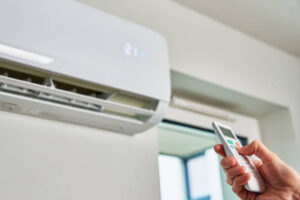
Daikin reverse cycle air conditioners maintenance
Australia’s climate is uniquely diverse, ranging from the tropical humidity of Queensland to the dry heat of Western Australia and the winter chills in Victoria and Tasmania. This variation puts air conditioning systems to the test throughout the year. Daikin reverse cycle air conditioners are engineered to withstand these conditions, but without regular servicing and upkeep, even the best systems can underperform.
Routine maintenance ensures that your system continues operating efficiently, avoids airflow blockages, and maintains clean, healthy air output. In high pollen regions like rural New South Wales or during the bushfire season, filters can become clogged quickly, making cleaning even more critical.
Key Maintenance Tips to Maximise Efficiency and Lifespan
1. Clean or Replace Filters Regularly
One of the most important steps in maintaining Daikin reverse cycle air conditioners is ensuring that the air filters are clean and in good condition. Dirty filters restrict airflow, making the unit work harder and use more energy. For most residential systems, filters should be cleaned every 2–4 weeks, more often during heavy use or in dusty environments.
Simply remove the filters, vacuum off loose dust, and wash them with lukewarm water. Allow them to dry completely before reinserting. In some models, filters may need replacing after a certain period, which should be outlined in your user manual.
2. Inspect the Outdoor Unit
Your outdoor condenser unit plays a crucial role in the heat exchange process. In many Australian homes, outdoor units can be exposed to extreme temperatures, heavy rainfall, or even debris from nearby plants. Keep the area around the unit clear—at least 30 cm on all sides—and check for leaves, dirt, or obstructions that might impede airflow.
Inspect the coils for dirt or corrosion, and if needed, gently hose off any buildup. Avoid using high-pressure water or harsh chemicals, as these can damage sensitive components.
Professional Servicing: When and Why to Call the Experts
While regular DIY maintenance is important, professional servicing is equally vital for long-term performance. A qualified technician should inspect your system at least once a year—ideally before the peak summer or winter seasons.
During a professional service, technicians will:
- Check refrigerant levels and inspect for leaks
- Test the thermostat and control functions
- Examine electrical connections and insulation
- Clean and inspect internal components such as the fan coil and drainage
By investing in a yearly professional check-up, you can ensure that Daikin reverse cycle air conditioners continue to function optimally and reduce the risk of sudden malfunctions when you rely on them most.
Smart Features That Assist with Maintenance
Daikin has integrated smart technology into many of its systems, allowing homeowners to monitor and control their units via mobile apps or home automation platforms. Features like self-diagnostics and filter cleaning reminders help users stay on top of maintenance without guesswork.
In Australia, where climate extremes can place significant stress on appliances, these features are not just convenient—they’re crucial. For example, during an unexpected heatwave, a remote alert about an airflow issue could help you prevent a full system failure.
Energy Efficiency and Savings Through Proper Care
Neglecting maintenance doesn’t just reduce comfort—it increases energy consumption. A clogged filter or a blocked condenser coil can cause the unit to consume significantly more power to produce the same results. In a country like Australia, where electricity prices can be high, this can lead to an unwelcome spike in energy bills.
Regular upkeep of Daikin reverse cycle air conditioners ensures the system runs at peak efficiency, reducing power usage and helping you maintain lower operational costs across seasons.
Conclusion: A Smart Investment in Comfort and Reliability
Owning a Daikin reverse cycle air conditioner is a smart choice for Australian homeowners looking for reliable, year-round comfort. But to fully realise the system’s potential, proactive maintenance is key. From cleaning filters and inspecting outdoor units to scheduling annual professional services, these steps will help extend the life of your investment and ensure consistent, efficient performance.
By following these guidelines, you’ll not only protect your home’s comfort but also save money and contribute to a more sustainable use of energy, proof that a little upkeep goes a long way with Daikin reverse cycle air conditioners.