Posts By Zoe Gordon
Assistive Technology NDIS: A Comprehensive Guide to Access, Benefits, and Innovation
The National Disability Insurance Scheme (NDIS) has revolutionised the way disability services are delivered across Australia. Central to this transformation is assistive technology NDIS, which plays a pivotal role in empowering people with disabilities to effectively lead more independent and fulfilling lives.
Understanding Assistive Technology and Its Role Under the NDIS

a comprehensive guide to access, benefits, and innovation with assistive technology ndis
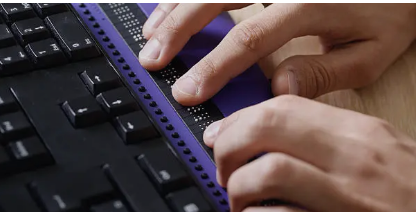
Assistive technology refers to a broad range of devices, equipment, software, and modifications that help people with disabilities perform tasks that might otherwise be difficult or impossible. It includes mobility aids, communication devices, hearing aids, environmental controls, and specialised software.
Accessing Assistive Technology Through the NDIS
One of the greatest strengths of the NDIS is its participant-centred approach to funding and support. Accessing assistive technology through the scheme involves several key steps:
Planning and Assessment
During the NDIS planning process, participants work closely with planners and support coordinators to identify their goals, daily challenges, and the assistive technology that could support them.
Budget Allocation
The NDIS plan allocates funding for assistive technology based on assessed needs. Importantly, this funding can cover a wide array of products and services—from simple tools like adapted utensils to complex powered wheelchairs or communication devices.
Sourcing and Purchase
Participants have flexibility in sourcing assistive technology. They can choose providers, negotiate prices, and in many cases, purchase products directly using their NDIS funds. This consumer choice model promotes greater control and satisfaction with the solutions acquired.
Ongoing Review and Support
Assistive technology needs may evolve. The NDIS supports ongoing review and replacement where necessary, ensuring technology remains relevant and practical as participants’ needs change.
The Benefits of Assistive Technology Under the NDIS
The benefits of assistive technology go far beyond simple convenience. For many participants, these tools are life-changing.
Enhanced Independence
Assistive technology significantly empowers individuals to perform tasks they might otherwise require assistance with—such as dressing, cooking, or navigating their environment—allowing for greater autonomy and confidence.
Improved Communication
For those with speech or hearing impairments, communication aids such as speech-generating devices or hearing amplifiers enable meaningful interaction with family, friends, and the broader community, reducing isolation.
Greater Safety and Accessibility
Technologies such as home modifications, sensor alarms, and mobility aids reduce the risk of accidents and injuries, making daily life safer and more accessible.
Support for Education and Employment
Assistive technology helps break down barriers in education and work settings. For example, specialised software can aid people with learning disabilities, while ergonomic equipment supports those with physical impairments, promoting inclusive participation.
Improved Health and Well-being
By facilitating physical activity, social engagement, and self-care, assistive technology supports overall health and psychological well-being, contributing to a higher quality of life.
Innovations Driving the Future of Assistive Technology in the NDIS
The landscape of assistive technology is rapidly evolving thanks to advances in innovation, and the NDIS is at the forefront of integrating these new technologies.
Smart Home and IoT Devices
The integration of Internet of Things (IoT) technology has brought about smart home solutions controlled by voice or smartphone apps. These include automated lighting, door locks, and temperature controls that give users unprecedented control over their environment.
Wearable Technology
Wearable devices now monitor vital signs, detect falls, and provide real-time feedback to users and carers. It not only enhances safety but also allows for timely medical interventions.
Augmented and Virtual Reality
AR and VR are emerging tools in rehabilitation and skill training. For example, virtual environments can simulate real-world scenarios to help users practice mobility or social interactions in a safe setting.
AI and Machine Learning
Artificial intelligence is improving the customisation of assistive devices, making them more intuitive and adaptive to users’ behaviours and preferences. AI-powered communication devices can predict and assist with user needs dynamically.
3D Printing
3D printing allows for bespoke assistive technology solutions, such as custom prosthetics and orthotics, at a more affordable cost and faster turnaround than traditional manufacturing.
Conclusion:
The assistive technology NDIS framework is a cornerstone of Australia’s disability support system, driving inclusion, independence, and improved quality of life. By providing tailored access to innovative technology solutions, the NDIS enables participants to overcome barriers and achieve their goals.
As technology continues to advance and the scheme evolves, the potential for assistive technology to transform lives will only grow.
Swimming Pool Installers Adelaide: Top Reasons to Choose Experienced Swimming Pool Installers for Your Project
When it comes to building a swimming pool, the installer’s experience plays a critical role in the project’s success. While many contractors in Adelaide claim to have the skills needed, not all swimming pool installers Adelaide bring the same level of expertise to the table. Choosing experienced swimming pool installers can make all the difference in achieving a pool that’s not only beautiful but also structurally sound, efficient, and built to last.
In this article, we’ll explore the top reasons why hiring seasoned swimming pool installers is one of the smartest decisions you can make for your residential or commercial pool project.
1. Proven Track Record of Quality Work
 One of the biggest advantages of choosing experienced swimming pool installers is their proven track record. Reputable installers with years of experience have likely completed dozens, if not hundreds, of projects. It means they’ve encountered and overcome various challenges, giving them the insight and skills to handle complex installations. Their portfolios and client testimonials provide peace of mind, showcasing their ability to consistently deliver top-tier results.
2. In-Depth Knowledge of Local Regulations
Swimming pool construction isn’t just about digging a hole and adding water—it involves navigating building codes, zoning laws, and safety regulations. Experienced swimming pool installers are familiar with local guidelines and ensure that your project complies with all applicable laws. From obtaining permits to passing inspections, they take care of the details that inexperienced contractors might overlook, helping you avoid costly fines or delays.
3. Efficient Project Management
A seasoned installer knows how to manage time, labour, and resources effectively. They can develop a realistic timeline and stick to it, minimising disruptions to your schedule, whether it’s dealing with excavation, plumbing, or electrical work. Experienced swimming pool installers know how to coordinate various aspects of the build smoothly and efficiently, which results in faster completion without sacrificing quality.
4. Expertise in Design and Customisation
Every property is unique, and so is every pool. Experienced swimming pool installers offer valuable guidance during the design phase. Whether you’re looking for a traditional rectangular pool, a freeform design, or a luxurious resort-style layout with custom features like spas, waterfalls, or lighting, expert installers can bring your vision to life. Their understanding of materials, layouts, and finishes ensures your pool complements your property and lifestyle perfectly.
5. Use of High-Quality Materials
Top-tier swimming pool installers don’t cut corners when it comes to materials. Their relationships with trusted suppliers enable them to source high-quality components that contribute to the pool’s durability and aesthetics. From the pool shell to filtration systems and decking, experienced installers make selections that enhance the long-term value and performance of your pool.
6. Fewer Mistakes and Less Rework
Mistakes during pool installation can be extremely costly and time-consuming. Inexperienced contractors are more likely to make errors that require rework, such as improper levelling, incorrect plumbing, or inadequate sealing. Experienced swimming pool installers have honed their craft through years of hands-on work, significantly reducing the chances of these issues occurring in the first place.
7. Better Warranty and Aftercare Support
Companies that have been in the pool installation business for years are more likely to stand behind their work with strong warranties and reliable after-sales care. Should any issues arise post-installation, experienced swimming pool installers are typically more responsive and equipped to resolve problems quickly. This level of accountability is something you can count on when working with professionals who value their reputation.
8. Enhanced Safety Standards
Swimming pool construction involves risks—from excavation hazards to electrical systems. Experienced swimming pool installers prioritise safety at every stage of the build. They adhere to industry best practices and utilise proper equipment to maintain a safe working environment. Additionally, they’ll install necessary safety features, such as fences, covers, and non-slip surfaces, to protect users once the pool is complete.
Conclusion
Choosing the right swimming pool installers is a critical step in any successful pool project in Adelaide. Experience matters—not just for quality artistry, but also for legal compliance, efficient construction, safety, and long-term value. By hiring seasoned professionals, you ensure your investment is handled with care, expertise, and attention to detail. Don’t settle for less—choose experienced swimming pool installers and enjoy the peace of mind that comes with knowing your pool is built to last.
IT Companies in Adelaide South Australia: Driving Innovation and Excellence
Adelaide’s tech corridor has quietly emerged as a powerhouse of innovation in Australia. Home to globally recognised corporations, dynamic startups, and niche IT consultancies, the region’s top‑rated IT companies are shaping the future of software, cybersecurity, systems management, and infrastructure, driven by affordability, talent, and ambition.
Why Adelaide Is the Rising Epicentre for IT Services
 Positioned as Australia’s “20‑minute city,” Adelaide offers a unique combination of moderate living costs, proximity to emerging talent pools, and growing digital infrastructure. Recent investments, such as NextDC’s new $100 million data centre, underscore the city’s appeal to enterprise IT clients across sectors—from government and defence to mining and high-tech startups.
Prominent Corporate and Multinational IT Players
Zoho: A Cloud‑Software Pioneer with Local Roots
Zoho, a global leader in cloud-based business applications, chose Adelaide as the base for its Australian headquarters in 2024, aiming to hire approximately 50 staff to support CRM, HR, and finance operations in Australia. Notably, Zoho ranks among Adelaide’s top‑rated IT companies, blending global reach with local innovation.
SolveIT Software: Pioneering AI‑Driven Logistics
Founded in 2005, Adelaide-based SolveIT became a subsidiary of Schneider Electric, deploying supply chain optimisation and predictive analytics software worldwide. With strong integration in the mining and materials sector, it remains a standout among top-rated IT companies locally.
Cospective: Post‑Production Tech with Global Clout
Cospective, a spin‑off from Rising Sun Pictures, develops cineSync and Frankie—tools used by film and VFX studios globally. Located in Glenside, its products have earned industry awards and secured Adelaide’s place among the top-rated IT companies with international impact.
Rapidly Growing Local Specialists
Inter Intra, Commuserv & Cloud Networks Australia
These local MSPs consistently rank as top‑rated IT companies in managed services.
- Inter Intra, established in 2006, manages over 5,000 workstations nationwide and is recognised for its tailored enterprise IT solutions.
- Commuserv, with over 20 years of regional service, supports universities, law firms, medical practices, and retail clients.
- Cloud Networks Australia excels in 24/7 device-agnostic support and local data backup solutions.
These providers underpin Adelaide’s ICT resilience and help cement their status as top‑rated IT companies.
Cybersecurity: Rising to the Challenge
Australian Cyber Collaboration Centre (Aus3C)
Located in Lot Fourteen, Aus3C is the state’s keystone cybersecurity nonprofit. It collaborates with government bodies, universities, and global partners to reinforce digital defences and train emerging cybersecurity professionals. Aus3C’s work anchors Adelaide’s cybersecurity ecosystem and supports its top‑rated IT companies.
Chamonix and Blackbird IT
These specialist security consultancies, recognised by industry platforms like CloudTango, deliver advanced threat monitoring, compliance, and digital defence solutions, further solidifying Adelaide’s position in the national IT hierarchy.
High‑Growth Consultancies and Startups
Comunet & Data#3: Building IT Backbone
Comunet, operating since 1995, has earned a reputation for infrastructure strategy, disaster recovery, and mobile-device management solutions—essential capabilities for any top-rated IT company. Additionally, Data#3 provides enterprise-grade consulting and procurement services.
Lot Fourteen & ICC: Innovation Hotbeds
Adelaide’s visionary precincts—Lot Fourteen and the Innovation Collaboration Centre—foster startups like PRAETORIAN Aeronautics, Cropify, Outhire, and Amplified Intelligence, spawning diverse tech ventures that enrich the city’s top-rated IT companies ecosystem.
Consolidation & Mergers: Growing Ecosystem Strength
2024 saw EFEX acquire Adelaide-based Aish IT (established in 1989) to enhance its cybersecurity and managed services offerings across Australia. Similarly, Synechron’s acquisition of Chamonix IT deepened its expertise in digital transformation and blockchain-enabled IT consulting. These strategic moves reflect market confidence in Adelaide’s top‑rated IT companies.
Selecting the Right Top‑Rated IT Company for Your Needs
- Managed IT: Consider Inter Intra, Commuserv, or Cloud Networks for reliable end-to-end support.
- Consulting & Infrastructure: Opt for Comunet or Data#3 for strategic IT roadmap execution.
- Security Services: Chamonix, Blackbird IT, and e3C-related initiatives offer cutting‑edge protection.
- Specialist Tech: Seek out SolveIT, Cospective, and Zoho for supply‑chain, film‑tech, and cloud‑software needs.
Conclusion:
Adelaide continues to outperform expectations in the national ICT landscape. By nurturing top-rated IT companies, supporting co-innovation hubs, and expanding its infrastructure, the city offers enterprise-grade services, local partnerships, and cost-effective solutions. Whether you’re a startup, SME, or large institution, there’s a confident, competent IT partner ready to help you thrive in the digital era.
With its robust ecosystem and strategic investments, Adelaide is well-positioned to become Australia’s next central tech hub.
Siemens Controllers: What Businesses Need to Know for Smart Investment in Industrial Automation
In the era of smart factories and digitised industrial operations, the right automation technology can be the difference between stagnation and competitive growth. In New Zealand’s rapidly evolving industrial landscape, Siemens controllers have become a focal point for decision-makers striving to optimise productivity and future-proof their operations. While Siemens controllers cost is a significant consideration, understanding their actual value, applications, and long-term ROI can guide businesses toward smarter investment decisions.
Why Siemens Controllers Are at the Core of Modern Automation
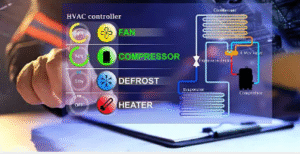 At the heart of many industrial automation systems lie programmable logic controllers (PLCs) and distributed control systems (DCS) – technologies that Siemens has mastered and refined for decades. Siemens controllers, including models such as the SIMATIC S7-1200, S7-1500, and ET 200 series, are renowned for their reliability, scalability, and seamless integration with Industry 4.0 environments.
In New Zealand’s industrial sectors, ranging from food processing and water treatment to manufacturing and logistics, these controllers play a pivotal role in ensuring system precision, uptime, and operational intelligence. However, to assess the cost of Siemens controllers meaningfully, one must look beyond the upfront price tag and consider how the technology aligns with specific business goals.
Breaking Down Siemens Controllers’ Cost in New Zealand
When evaluating the cost of Siemens controllers in New Zealand, it’s crucial to distinguish between the initial purchase price and the total cost of ownership (TCO). Prices for Siemens PLCs can vary significantly depending on the controller family, processing capabilities, I/O requirements, and the type of communication interfaces.
- Entry-level options (e.g., SIMATIC S7-1200) typically range from around NZD $600 to $1,200, depending on the configuration.
- Mid-range controllers, such as the S7-1500, can range from NZD $1,500 to $5,000 or more, especially when equipped with extended features or modular expansions.
- Advanced and redundant systems (e.g., S7-400H) or those designed for high-availability scenarios can exceed NZD $10,000.
Additional costs may include Human Machine Interfaces (HMIs), communication modules (e.g., PROFIBUS, PROFINET), software licenses for TIA Portal, and ongoing maintenance or service agreements.
Key Factors That Influence Siemens Controllers’ Cost
Understanding the cost structure involves dissecting a few key variables:
Project Complexity
The more complex the automation requirement (e.g., real-time control, multiple device integration), the more advanced the controller needs to be, raising the base cost.
System Scalability and Redundancy
Businesses requiring high system uptime or future expandability should factor in redundant systems and modularity, both of which may raise initial investment but reduce risk and downtime over time.
Engineering and Integration Services
The cost of the Siemens controller isn’t limited to hardware. Local integration, programming, and commissioning services—often provided by automation partners in New Zealand—can significantly affect the total project cost.
Compliance and Certification
Industries such as food and pharmaceuticals often require certified solutions. Controllers used in these contexts may come with added compliance-related features, which can impact the price.
Siemens Controllers and the Value of Digitalisation
One reason Siemens’ controller costs should be viewed through a value lens is the unmatched integration with digital platforms. Siemens’ TIA (Totally Integrated Automation) ecosystem offers seamless connectivity between hardware, software, and cloud solutions. This integration reduces engineering time, increases transparency, and enables predictive maintenance, turning a hardware investment into a long-term digital asset.
For New Zealand businesses striving to remain competitive amidst rising labour and energy costs, the ability to make data-driven decisions and adapt quickly to market changes is invaluable.
Conclusion:
While it’s easy to compare controllers based on price tags, a strategic approach is to assess how Siemens controllers support your long-term operational goals. In New Zealand’s competitive industrial market, cost-effectiveness stems from selecting the right solution for your application, rather than simply opting for the cheapest option available.
Understanding the full scope of Siemens controllers’ cost means evaluating upfront investment, operational efficiency, system longevity, and adaptability to future needs. Businesses that take the time to evaluate these dimensions position themselves for more intelligent automation, greater productivity, and long-term cost savings.
For decision-makers ready to invest in intelligent automation, Siemens controllers offer a proven, scalable, and future-ready solution that delivers far more than just control—it delivers confidence.
New Zealand Gold: A Strategic Asset in a Modern Economy
New Zealand gold has long held a place of prestige in the nation’s economic and cultural history. From the gold rushes of the 19th century to the refined bullion markets of today, the presence and value of gold in New Zealand continue to resonate across generations. While traditional mining towns have evolved and the methods of gold extraction have modernised, gold remains an influential and resilient asset in the country’s economic fabric. In today’s landscape, New Zealand gold is not just a relic of history—it is a dynamic financial instrument, a symbol of heritage, and a growing point of interest for investors and collectors alike.
The Historical Foundations of New Zealand Gold
 The story of New Zealand’s gold began in earnest during the 1860s, with significant discoveries in Otago and on the West Coast. These gold rushes drew prospectors from across the globe and rapidly transformed sleepy towns into booming centres of commerce and trade. In regions like Arrowtown, Hokitika, and Thames, traces of this golden era still linger in preserved buildings, museums, and cultural festivals.
New Zealand gold played a foundational role in attracting skilled migrants, accelerating infrastructure development, and injecting wealth into the national economy. Unlike many other colonial ventures that focused solely on agriculture or wool, gold mining diversified New Zealand’s early economic profile. It helped shape the identity of regions that are still thriving today.
Modern-Day Gold Mining and Production
While the fervour of the gold rushes has faded, New Zealand gold remains actively mined and refined. Today, most of the country’s gold production occurs in the Otago and Coromandel regions, as well as at the large-scale Macraes Mine, operated by OceanaGold, in the South Island. These operations are marked by highly efficient, environmentally regulated processes designed to maximise output while minimising environmental impact.
New Zealand’s modern mining industry combines cutting-edge technology with geological expertise to drive innovation. Exploration continues to uncover viable reserves, and demand for New Zealand gold remains steady in both domestic and export markets. While gold production is modest by global standards, its economic value per ounce and role in regional employment underscore its national importance.
Investment Appeal of New Zealand Gold
Gold has traditionally been viewed as a hedge against inflation, economic downturns, and currency depreciation. In the face of global uncertainty, many New Zealanders have turned to physical gold as a store of wealth and a safeguard against market volatility. Local bullion dealers and financial institutions have seen an increase in demand for New Zealand gold products, ranging from investment-grade bars to collector coins issued by the Reserve Bank of New Zealand and the New Zealand Mint.
The appeal of New Zealand gold is multifaceted:
- Security: Physical gold is not subject to digital fraud or third-party default risk.
- Liquidity: Gold is easily bought and sold in global markets.
- Tangible value: Unlike stocks or bonds, gold is a physical asset with intrinsic worth.
- Portfolio diversification: Gold offers a valuable counterbalance to equities and real estate.
These factors make New Zealand gold an ideal component in both conservative and diversified investment portfolios.
The Role of the New Zealand Mint
The New Zealand Mint plays a crucial role in preserving and promoting New Zealand gold. Renowned for its craftsmanship, the Mint produces gold bullion and collectible coins that are highly sought after globally. These include unique designs celebrating Māori culture, local wildlife, and iconic New Zealand symbols.
As the only precious metal mint in the country, the New Zealand Mint has elevated the global reputation of New Zealand gold products, combining artistic design with investment value. Their offerings provide collectors and investors with a secure, authenticated means of owning gold that reflects national identity.
Conclusion:
New Zealand gold is more than a commodity—it’s a testament to the country’s rich natural resources, innovative economy, and commitment to ethical standards. Whether through mining operations in Otago, bullion investment from a local mint, or collectible coins that celebrate New Zealand’s heritage, gold continues to hold its value in both sentimental and financial terms.
As the global economy navigates continued uncertainty, investors seek tangible stores of wealth. New Zealand gold offers a compelling, secure, and meaningful asset class. With a foundation in history and an eye toward the future, the presence of gold in New Zealand’s economic landscape is set to remain significant for decades to come.
Roller Shutters Adelaide: High-Quality Roller Shutters Installation
When it comes to enhancing the safety, energy efficiency, and overall appearance of your property, investing in roller shutter installation in Adelaide is a wise decision. Whether you’re a homeowner looking to protect your family or a business owner aiming to safeguard your assets, professionally installed roller shutters offer an ideal solution tailored to the South Australian climate and lifestyle. For professional roller shutters services, click here.
Why Choose Roller Shutters in Adelaide?
 Adelaide’s unique weather patterns—hot summers, occasional storms, and cool winters—call for a versatile solution that offers more than just security. Roller shutters are designed to:
- Reduce heat and glare during extreme summer months
- Block out noise and light for improved comfort
- Provide strong physical protection against intruders and vandalism
- Insulate windows to retain indoor temperatures and reduce energy bills
Professional roller shutter installation ensures that all these benefits are delivered efficiently, providing your property with year-round comfort and protection.
Benefits of Professional Roller Shutter Installation
Enhanced Security
Security is often the number one reason Adelaide residents opt for roller shutters. These strong, interlocking slats act as a physical barrier to deter break-ins. With expert installation, you ensure that shutters are securely fitted to window and door frames, making them incredibly difficult to tamper with.
Energy Efficiency
With rising energy costs, more South Australians are turning to roller shutters for their insulating properties. In summer, shutters can reflect up to 90% of the sun’s heat away from windows, keeping indoor temperatures cooler without overworking your air conditioning. In winter, they help trap warmth inside your home, cutting down heating costs.
Noise Reduction
Are you living near busy roads, schools, or commercial areas? Roller shutters can significantly reduce external noise, creating a quieter and more peaceful indoor environment.
Privacy and Light Control
Roller shutters give you complete control over light and privacy. Whether you need a darkened room for better sleep or total seclusion from street view, you can easily adjust the shutters to suit your preferences.
Bushfire and Storm Protection
Many parts of Adelaide are at risk of bushfires or severe storms. Specialised shutters, such as fire-rated or cyclone-rated models, provide an additional layer of protection during extreme weather events. They can prevent debris damage and reduce the impact of radiant heat on your property.
Choosing the Right Roller Shutters for Your Adelaide Property
Manual vs Electric Operation
Roller shutters can be operated manually with a winding mechanism or motorised for electric control. Motorised shutters offer convenience and can be integrated with smart home systems, allowing remote operation via smartphone or remote control.
Material Options
The most common materials used in roller shutters are aluminium and steel:
- Aluminium is lightweight, corrosion-resistant, and ideal for residential properties.
- Steel offers enhanced durability and is better suited for high-security commercial applications.
Colour and Style Choices
Modern roller shutters don’t compromise on style. With a wide variety of colours and finishes available, you can select shutters that perfectly match your home or building façade, adding to its aesthetic value.
Roller Shutters Installation in Adelaide – What to Expect
When you choose a professional service for roller shutter installation in Adelaide, you can expect the following:
- Free On-Site Consultation: An experienced technician will assess your property and recommend the best shutter solutions for your needs and budget.
- Custom Measurements and Manufacturing: Each shutter is tailor-made to fit your windows and doors precisely.
- Expert Installation: Technicians ensure that shutters are mounted correctly for optimal performance, longevity, and safety.
- Post-Installation Support: Reputable providers offer warranties and servicing to ensure your shutters remain in excellent condition over time.
Residential vs Commercial Roller Shutters
Both residential and commercial properties in Adelaide benefit from roller shutters, but their requirements can differ:
- Residential: Focus on comfort, style, privacy, and moderate security.
- Commercial: Emphasis on robust security, fire-rated or cyclone-rated options, and high-durability materials.
Custom solutions are available to suit each property type, from homes in Glenelg and Norwood to shops in the Adelaide CBD and warehouses in the northern suburbs.
Conclusion:
Roller shutter installation in Adelaide is an innovative and valuable upgrade for both residential and commercial properties. With benefits that extend beyond just security—such as improved insulation, noise reduction, privacy, and storm protection—roller shutters offer a versatile solution tailored to the needs of South Australian living.
VW Wreckers Adelaide: Everything You Need to Know About Amarok Parts
The Volkswagen Amarok is a name synonymous with power, durability, and German engineering excellence in the world of utility vehicles. Designed for both work and adventure, the Amarok has found a solid fan base in Australia thanks to its rugged build, high performance, and refined style. With thousands of units sold nationwide, there’s a growing demand for high-quality Amarok parts to maintain and upgrade these versatile vehicles. Whether you’re a weekend off-roader, a tradesperson relying on your ute daily, or a fleet manager keeping vehicles in top condition, sourcing the right Amarok parts in Australia is essential.
Why Quality Amarok Parts Matter
When it comes to maintaining a Volkswagen Amarok, the use of genuine or high-quality aftermarket parts for the Amarok cannot be overstated. Quality components ensure:
- Optimal performance: The Amarok’s performance relies on finely tuned engineering. Substandard parts can hinder the vehicle’s efficiency and reliability.
- Long-term durability: High-grade Amarok parts extend the life of your vehicle and reduce the frequency of costly repairs.
- Safety compliance: Certified parts ensure your Amarok remains compliant with Australian safety regulations.
Investing in reputable parts means fewer breakdowns, better fuel economy, and peace of mind on and off the road.
Genuine vs Aftermarket Amarok Parts
Australia offers a wide range of Amarok parts, but vehicle owners are often torn between genuine OEM parts and aftermarket alternatives. Here’s a breakdown of the two:
Genuine Parts
Volkswagen or its certified partners manufacture these, and they are designed explicitly for Amarok models. They often come with warranties and guarantees of quality.
Pros:
- Guaranteed Compatibility
- High reliability and performance
- Backed by manufacturer warranties
Cons:
- More expensive than aftermarket alternatives
- Limited availability for older or discontinued models
Aftermarket Parts
These are produced by third-party manufacturers and designed to fit and function like original equipment manufacturer (OEM) parts.
Pros:
- More affordable
- Wide variety of choices
- Often readily available across Australia
Cons:
- Quality can vary between brands
- It may not come with the manufacturer’s backing
For many Amarok owners, a blend of genuine and top-tier aftermarket parts offers the best balance between cost and performance.
Popular Amarok Parts in Demand
The most frequently sought-after Amarok parts in Australia span a variety of categories. Some of the most in-demand include:
- Suspension components: Given Australia’s rugged terrain, upgrading or replacing shocks, struts, and control arms is a common practice in the country.
- Braking systems: Brake pads, discs, and callipers often require replacement to ensure safe stopping power.
- Engine parts, including filters, belts, sensors, and injectors, are essential for maintaining optimal engine performance.
- Lighting and electrical: Upgrades to LED headlights, tail lights, and interior lighting systems are popular for both safety and aesthetics.
- Body parts, such as bumpers, grilles, and mirrors, often require replacement due to damage or customisation preferences.
Many Australian suppliers now cater specifically to Amarok owners with curated inventories to ensure a fast and accurate match.
Where to Source Amarok Parts in Australia
From local suppliers to online marketplaces, Australians have a wide range of options for sourcing Amarok parts. Some of the most reliable avenues include:
Authorised Volkswagen Dealers
These offer 100% genuine parts and expert advice, though they tend to be more expensive.
Specialist 4×4 and Ute Parts Suppliers
Dedicated to off-road and utility vehicles, these businesses often stock performance-grade Amarok parts tailored to Australian conditions.
Online Platforms
E-commerce platforms and Amarok-focused websites allow users to search by model year, part type, and even VIN for precise matching. Be sure to choose reputable sellers with strong reviews.
Wreckers and Auto Recyclers
For budget-conscious buyers, recycled or used Amarok parts from certified wreckers can be a cost-effective alternative.
When purchasing, always verify the part’s compatibility, warranty, and return policy to ensure a smooth transaction.
Conclusion:
Whether you’re performing a basic repair, replacing a worn-out component, or fully customising your vehicle for rugged adventures, sourcing the right Amarok parts in Australia is crucial. From genuine OEM components to high-performance aftermarket upgrades, the market offers a wide range of quality solutions to suit every need and budget.
By choosing trusted suppliers and maintaining a proactive approach to vehicle care, your Volkswagen Amarok will continue to deliver unmatched performance, comfort, and reliability on every journey—whether on city streets, bush tracks, or beyond.
Pet Doors Adelaide: The Perfect Access Solution for Your Furry Friends
As pet ownership continues to rise across Australia, homeowners in Adelaide are increasingly seeking convenient solutions to accommodate their pets’ needs without compromising on home aesthetics. Among the most popular choices are glass panel pet doors—a sleek, modern, and functional way to give pets the freedom to move in and out while maintaining the integrity of your home’s design. For quality glass panel pet doors, check this out!
Whether you’re renovating your home or simply looking to improve daily life for your cat or dog, installing a glass panel pet door can make a significant difference. This article explores everything Adelaide homeowners need to know about choosing, installing, and benefiting from these innovative pet access solutions.
Why Choose Glass Panel Pet Doors?
 Glass panel pet doors are designed to integrate seamlessly into existing sliding glass doors or fixed glass panels. Unlike traditional plastic or wooden pet doors, glass models offer an elegant solution that aligns with contemporary home designs. Here are several compelling reasons to choose them:
- Unobtrusive Design: Glass panel pet doors blend beautifully with modern interiors, maintaining your home’s style and visibility.
- Increased Convenience: They provide your pet with independent access to the outdoors, reducing the need for constant supervision or door opening.
- Energy Efficiency: High-quality models are built to preserve insulation, keeping your Adelaide home comfortable year-round.
- Enhanced Durability: These doors are made using toughened glass and sturdy frames, ensuring longevity and resilience against the elements.
Tailored for Adelaide Homes and Weather Conditions
Living in Adelaide means experiencing a diverse climate—from hot, dry summers to chilly winters. Glass panel pet doors are especially suited for this environment, offering thermal efficiency and UV resistance. Reputable suppliers and installers in Adelaide use Australian-standard toughened safety glass, ensuring that the door withstands local conditions while keeping your home energy-efficient.
Additionally, many pet door systems come with weather seals and secure locking mechanisms to protect your home from drafts, pests, and intruders.
Installation Options for Glass Panel Pet Doors
Installing a glass panel pet door is a precise process that a qualified glazier should always undertake. The installation involves cutting a hole in an existing glass panel or replacing it entirely with a new pane that includes a pre-installed pet door. In Adelaide, homeowners typically have three main options:
Retrofit Installation
This method involves cutting into your current glass sliding or fixed panel. It’s suitable only if the existing glass is not toughened, which can be rare in modern homes. In such cases, replacement may be necessary.
Full Glass Replacement
A more common and safer approach, complete panel replacement, involves removing the original glass and fitting a new toughened glass panel with an integrated pet door. This method ensures compliance with Australian safety standards.
Temporary Insert Panels
Ideal for renters or those looking for a non-permanent solution, temporary insert panels fit into the track of your sliding door and can be removed when moving out. They’re secure and functional without requiring any modifications to the existing glass.
Sizes and Types to Suit All Pets
No two pets are alike, and pet doors come in a variety of sizes and types to cater to different breeds and temperaments. From small cat flaps to large dog doors, Adelaide’s pet door suppliers offer a wide selection.
- Microchip-Activated Doors: These smart doors open only for pets wearing an associated microchip or collar tag, adding a layer of security.
- Two-way and Four-Way Locking Systems Allow you to control your pet’s movement more precisely, making them ideal for managing indoor time or overnight safety.
- Custom-Made Options: Tailored doors are available to meet specific size requirements or unique design considerations.
Conclusion:
Installing a glass panel pet door in your Adelaide home is more than just a convenience—it’s a lifestyle upgrade for both you and your pet. It allows your furry companions the freedom they crave while maintaining your home’s beauty and energy efficiency.
Whether you live in the heart of the CBD or the peaceful Adelaide Hills, there’s a glass panel pet door solution to match your needs. With professional installation, modern design options, and pet-friendly features, this simple addition can make a world of difference.
Pallet Freezer Spacers: Top Benefits in Australian Warehouses
In Australia’s highly competitive cold storage and logistics sector, efficiency and product quality are critical to staying ahead. One of the most effective yet often overlooked solutions for improving freezer performance is pallet freezer spacers. These simple but innovative tools are designed to optimise airflow around stored goods, ensuring faster freezing times, reduced energy consumption, and better preservation of product quality. For warehouses across Australia—especially those handling perishable goods such as meat, seafood, dairy, and produce—implementing pallet freezer spacers can deliver substantial operational and financial benefits.
Enhancing Airflow for Faster Freezing
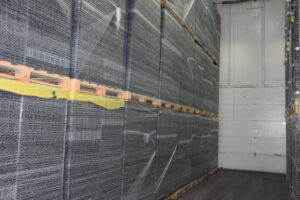
Pallet freezer spacers benefits
One of the most significant advantages of using pallet freezer spacers in Australian warehouses is their ability to improve airflow between products. In traditional pallet stacking, goods are often placed directly on top of one another, which restricts air circulation and slows the freezing process. By creating uniform gaps between layers, pallet freezer spacers enable cold air to flow evenly throughout the load.
This faster freezing capability is especially valuable for Australian exporters in industries like beef, lamb, and seafood, where rapid temperature reduction is essential for maintaining freshness and meeting international standards. The improved airflow not only accelerates freezing but also ensures consistent temperature distribution, preventing partial freezing and quality loss.
Reducing Energy Consumption and Costs
Energy costs in Australia continue to rise, placing increasing pressure on warehouse operators to find efficiency improvements. Pallet freezer spacers can play a surprisingly large role in reducing power consumption. Because products freeze more quickly and evenly, freezer units run for shorter periods, lowering electricity usage and decreasing wear and tear on cooling equipment.
For large-scale cold storage facilities in regions such as Queensland, Victoria, and Western Australia, where energy bills can account for a significant portion of operational expenses, the savings generated by pallet freezer spacers can be substantial. Over time, the initial investment in spacers is easily offset by the reduction in running costs and extended lifespan of refrigeration systems.
Maintaining Product Quality for Export Markets
Australia’s reputation as a supplier of high-quality agricultural and seafood products relies heavily on maintaining strict cold chain integrity. Pallet freezer spacers support this by ensuring that every product on a pallet is exposed to consistent freezing conditions. This reduces the risk of uneven cooling, which can lead to issues like freezer burn, moisture loss, or spoilage.
For exporters shipping goods to Asia, North America, and the Middle East, delivering products in optimal condition is non-negotiable. Pallet freezer spacers help Australian warehouses uphold the stringent quality requirements demanded by international buyers, strengthening brand trust and repeat business.
Increasing Storage Flexibility and Throughput
In busy Australian cold storage facilities, time is money. The faster goods can be frozen to the required core temperature, the sooner they can be moved into long-term storage or prepared for dispatch. Pallet freezer spacers speed up this process, increasing throughput without requiring additional freezer space or equipment upgrades.
For warehouses that handle seasonal surges—such as those processing mangoes in Northern Territory or cherries in Tasmania—this added efficiency means they can manage larger volumes without bottlenecks. In turn, this improves order fulfilment times and overall operational flow.
Supporting Sustainability Goals
Sustainability is becoming a core priority for Australian businesses, driven by both regulatory requirements and consumer expectations. Pallet freezer spacers contribute to greener operations by lowering energy consumption, which reduces carbon emissions from refrigeration systems. Additionally, most spacers are made from durable, reusable materials such as high-density polyethylene (HDPE), meaning they can withstand years of use without significant degradation.
By incorporating pallet freezer spacers into cold storage operations, Australian warehouses can take tangible steps toward meeting environmental targets while still delivering high performance and reliability.
Easy Integration into Existing Operations
One of the standout benefits of pallet freezer spacers is how simple they are to integrate into existing workflows. They require minimal training for staff, are lightweight for easy handling, and are compatible with standard pallet sizes used in Australia. This makes adoption straightforward, with little to no downtime during implementation.
Whether in metropolitan hubs like Sydney and Melbourne or regional facilities in areas such as South Australia’s Riverland, warehouse operators can quickly start reaping the benefits without the need for costly infrastructure changes.
Conclusion
For Australian warehouses looking to boost efficiency, reduce costs, and maintain exceptional product quality, pallet freezer spacers are a practical and highly effective solution. They enhance airflow for faster freezing, lower energy usage, protect goods for export, and support sustainability goals—all while being simple to integrate into existing operations.
In a market where speed, quality, and cost control can define success, pallet freezer spacers offer a clear competitive advantage for cold storage facilities across Australia.
Daikin Reverse Cycle Air Conditioners: Maintaining for Optimal Performance and Longevity
Owning a Daikin reverse cycle air conditioner is a smart choice for Australian homeowners looking for reliable, year-round comfort. Daikin reverse cycle air conditioners are among the most trusted climate control systems in Australian homes, thanks to their dual heating and cooling capabilities, energy efficiency, and advanced smart features. To ensure these systems deliver maximum performance throughout the changing Australian seasons, regular maintenance is not just recommended—it’s essential. By taking proactive care of your unit, you can extend its life, maintain its energy efficiency, and avoid costly breakdowns when you need it most.
Why Regular Maintenance Matters in the Australian Climate
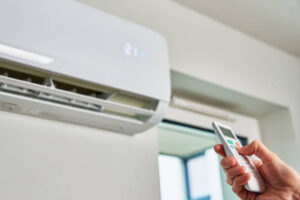
Daikin reverse cycle air conditioners maintenance
Australia’s climate is uniquely diverse, ranging from the tropical humidity of Queensland to the dry heat of Western Australia and the winter chills in Victoria and Tasmania. This variation puts air conditioning systems to the test throughout the year. Daikin reverse cycle air conditioners are engineered to withstand these conditions, but without regular servicing and upkeep, even the best systems can underperform.
Routine maintenance ensures that your system continues operating efficiently, avoids airflow blockages, and maintains clean, healthy air output. In high pollen regions like rural New South Wales or during the bushfire season, filters can become clogged quickly, making cleaning even more critical.
Key Maintenance Tips to Maximise Efficiency and Lifespan
1. Clean or Replace Filters Regularly
One of the most important steps in maintaining Daikin reverse cycle air conditioners is ensuring that the air filters are clean and in good condition. Dirty filters restrict airflow, making the unit work harder and use more energy. For most residential systems, filters should be cleaned every 2–4 weeks, more often during heavy use or in dusty environments.
Simply remove the filters, vacuum off loose dust, and wash them with lukewarm water. Allow them to dry completely before reinserting. In some models, filters may need replacing after a certain period, which should be outlined in your user manual.
2. Inspect the Outdoor Unit
Your outdoor condenser unit plays a crucial role in the heat exchange process. In many Australian homes, outdoor units can be exposed to extreme temperatures, heavy rainfall, or even debris from nearby plants. Keep the area around the unit clear—at least 30 cm on all sides—and check for leaves, dirt, or obstructions that might impede airflow.
Inspect the coils for dirt or corrosion, and if needed, gently hose off any buildup. Avoid using high-pressure water or harsh chemicals, as these can damage sensitive components.
Professional Servicing: When and Why to Call the Experts
While regular DIY maintenance is important, professional servicing is equally vital for long-term performance. A qualified technician should inspect your system at least once a year—ideally before the peak summer or winter seasons.
During a professional service, technicians will:
- Check refrigerant levels and inspect for leaks
- Test the thermostat and control functions
- Examine electrical connections and insulation
- Clean and inspect internal components such as the fan coil and drainage
By investing in a yearly professional check-up, you can ensure that Daikin reverse cycle air conditioners continue to function optimally and reduce the risk of sudden malfunctions when you rely on them most.
Smart Features That Assist with Maintenance
Daikin has integrated smart technology into many of its systems, allowing homeowners to monitor and control their units via mobile apps or home automation platforms. Features like self-diagnostics and filter cleaning reminders help users stay on top of maintenance without guesswork.
In Australia, where climate extremes can place significant stress on appliances, these features are not just convenient—they’re crucial. For example, during an unexpected heatwave, a remote alert about an airflow issue could help you prevent a full system failure.
Energy Efficiency and Savings Through Proper Care
Neglecting maintenance doesn’t just reduce comfort—it increases energy consumption. A clogged filter or a blocked condenser coil can cause the unit to consume significantly more power to produce the same results. In a country like Australia, where electricity prices can be high, this can lead to an unwelcome spike in energy bills.
Regular upkeep of Daikin reverse cycle air conditioners ensures the system runs at peak efficiency, reducing power usage and helping you maintain lower operational costs across seasons.
Conclusion: A Smart Investment in Comfort and Reliability
Owning a Daikin reverse cycle air conditioner is a smart choice for Australian homeowners looking for reliable, year-round comfort. But to fully realise the system’s potential, proactive maintenance is key. From cleaning filters and inspecting outdoor units to scheduling annual professional services, these steps will help extend the life of your investment and ensure consistent, efficient performance.
By following these guidelines, you’ll not only protect your home’s comfort but also save money and contribute to a more sustainable use of energy, proof that a little upkeep goes a long way with Daikin reverse cycle air conditioners.